

Open Plan Office Space - Is It Hitting Hard on Your Health?
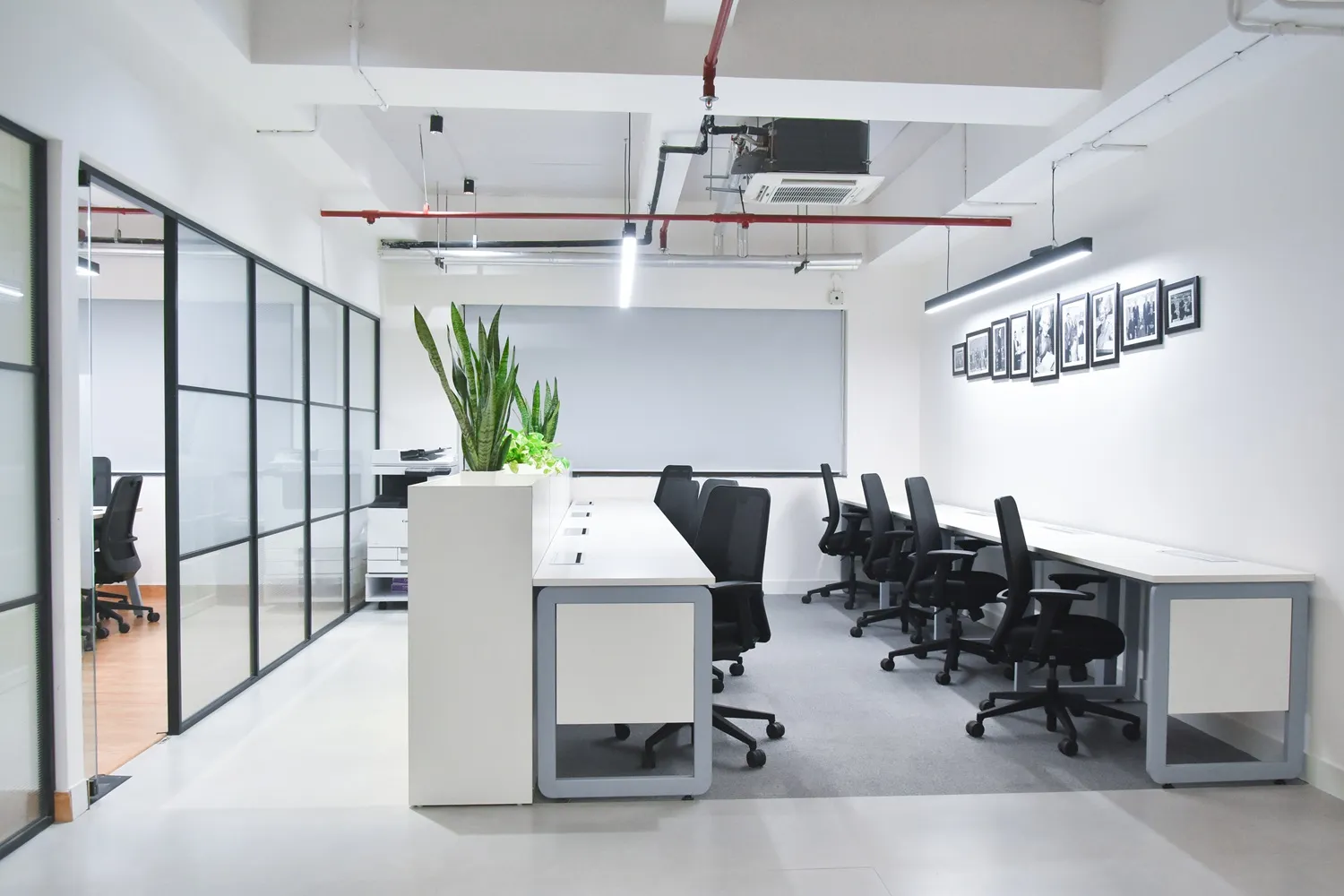
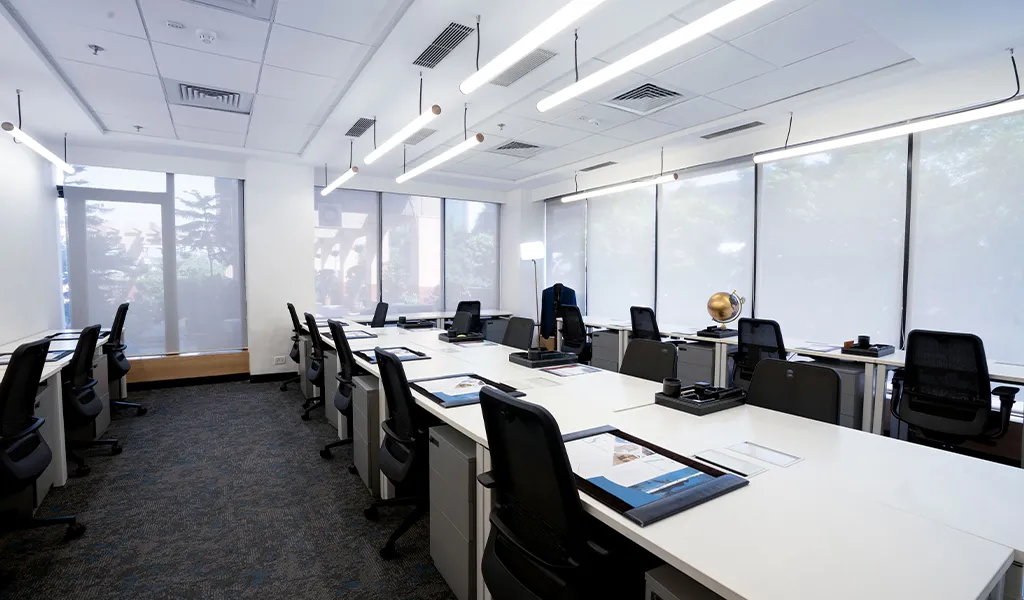
Fewer walls now shape most workspaces, true. At first glance, that appears practical - saves money on building stuff, gets people talking more, feels airy. Yet as months pass, another picture slowly takes form.
Some workers now think shared workspaces fail to boost productivity like promised. Rather than helping teamwork, these areas tend to bring interruptions, less concentration, and barely any privacy. Even though companies save money upfront, what it does to staff health over time stands out more each day.
When days feel heavy in places like Delhi, thanks to long commutes and tight deadlines, the shape of the room you're in starts shaping your mind too. Not simply four walls for desks and chairs - this space tugs at attention spans, guides moods, reshapes effort levels minute by minute. A quiet ceiling height might steady thoughts. Harsh lights could scatter them.
More research lately shows open offices might harm how people feel and function. Without private space, the never-ending sounds and things moving in view make deep thinking hard. Little by little, tension builds. Tiredness sets in. People start pulling back. It just wears them down.
Once seen as modern, today's open-plan offices face doubt. Not about right or wrong, instead about fit - does the space match actual work habits?
The Real Impact of Open Plan Offices on Productivity and Well-Being
Noise and Distractions Weaken Focus
What hits you first in a shared workspace? Sound. Talking, ringing phones, people moving - tiny noises pile up fast. Focus slips when distractions never stop.
Focused work - like drafting messages, studying numbers, or shaping plans - suffers when surroundings never quiet down. People might turn to headphones as a fix, yet it rarely holds up long term. Without relief from background sound, minds grow tired more quickly.
A constant hum fills the room, pressing on nerves without warning. Because people cannot adjust where they sit or who talks nearby, tension builds quietly. It chips away at focus just as much as peace of mind. What seems small ends up weighing heavily by midday.
Lack of Privacy Adds Mental Strain
Most jobs need some level of privacy to function well. Open offices tend to lack that space entirely.
Folks at work might think someone's listening in. Or that what they're doing on screen isn't private. That quiet sense of exposure sticks around, never quite going away. Behavior shifts because of it - slowly, without much notice. Words get held back. Tone changes. Trust bends under the weight.
When people sense they need to act a certain way, their behavior shifts without them noticing. That shift chips away at real expression, original thinking, strong self-trust.
Finding calm often means stepping back, even when teamwork feels expected. Quiet moments matter just as much as shared ones, especially when conversations never seem to pause.
Increase in Workplace Stress and Decline in Job Satisfaction
Few realize how much tension builds in shared workspaces, though the effect creeps up slowly. Still, pressure rises without clear warning signs.
- Continuous noise creates mental strain
- Lack of control over the environment increases frustration
- Constant interruptions break workflow
Work might start to seem distant to some staff. Team bonds sometimes shift without notice. Comfort matters - without it, attention slips away. Focus fades when surroundings feel off.
Eventually, people feel less happy at work. Quiet signals give it away - they take longer to finish tasks, seem disinterested, yet still show up unless they really cannot. A slow fade replaces loud complaints.
Visual Clutter and Sensory Overload
Flickering lights, sudden shifts in scenery - these catch the eye just like loud sounds grab ears. Movement on screens tugs attention sideways, slipping past quiet focus.
Out there, folks move past each other while glowing displays blink without pause - this steady hum of motion piles up fast. Though workers might wish to tune it out, their minds still catch every piece. A flicker here, a shuffle there - they register whether wanted or not.
Focusing for extended stretches becomes harder when this happens. Because of it, jobs stretch out - sometimes messier results show up too.
Busy spaces meant to spark motion often drain you instead. What should lift your mood ends up wearing you down.
Location and Workspace Design Matter More Than Ever
Open offices hit harder once you add long commutes into the mix. Pressure at work stretches that effect further. Outside demands shape how people react to shared spaces. Commuting fatigue meets constant noise. Workload piles on top of distraction. Shared layouts amplify stress when life outside is already tense.
Facing crowded roads each morning, workers in Delhi often spend hours just getting to work. When the first meeting starts, many feel drained before it begins.
A tired mind works slower when the room feels heavy too. That weight piles up, making everything harder than it needs to be.
Starting your day without a long commute feels different.
- Places such as Connaught Place make arriving on time easier
- Saket stands out when you need services nearby
- Nehru Place fits those who value steady routines
Fresh thinking shapes how spaces feel. Not just wide-open floors anymore, today’s workplaces mix zones with purpose - quiet corners sit beside shared hubs through thoughtful layout shifts
- Quiet zones for focused work
- Collaborative spaces for meetings and discussions
- Breakout areas for relaxation
Working this way gives staff freedom to pick their own rhythm instead of locking each person into one rigid setup.
Working from adaptable setups cuts down on upfront costs when trying new layouts. Without handling buildings and systems directly, companies still get access to thoughtfully made environments.
Why Avanta Balances Work Life Better
Balance matters more than removal when tackling open office issues - keep teamwork alive while adjusting the mix. Instead of cutting out interaction altogether, shape conditions where quiet and connection fit together.
Inside Avanta Business Centre, spaces take shape where doing good work feels natural. Comfort walks hand in hand with function. Thought shapes every corner, making room for focus without sacrificing ease. Each area breathes calm while staying ready for action. People move through their day with less friction, more flow.
Instead of purely open layouts, Avanta offers environments that combine:
- Private offices for focused work
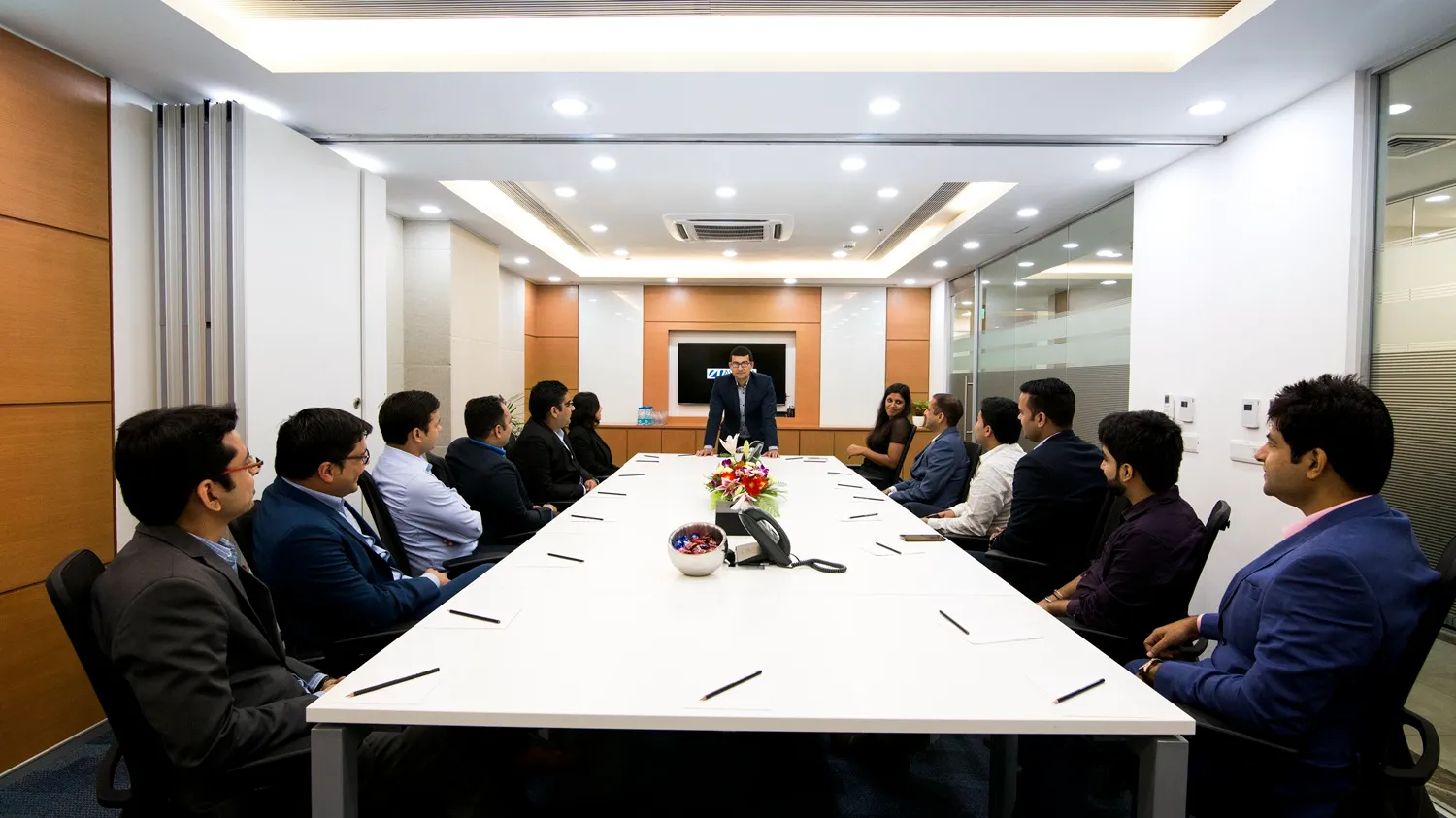
- Meeting rooms for collaboration
- Breakout spaces for relaxation
Focused areas keep noise down yet open doors for teamwork at the right moment. Quiet corners help minds stay on track but never shut out conversation completely.
Additional features include:
- Fully furnished offices
- High-speed internet
- Professional reception services
- Well-maintained infrastructure
Fewer miles to travel means less hassle each morning, so workers arrive feeling sharper. A central spot can ease the grind of getting to work, giving staff a calmer way into the day.
A quiet kind of clarity shapes the whole setup. Workers stay sharp because clutter stays out. Their attention holds steady when background noise fades away.
Frequently Asked Questions About Open Plan Offices
Could Open Office Designs Hurt Productivity?
Could open office designs hurt how much work people get done?
True, open offices aren’t always the issue - yet poor layouts can slow work down. Without quiet spaces, noise and interruptions pull attention away.
Why Do Employees Feel Stressed in Open Offices?
Why do employees feel stressed in open offices?
Few sounds around make it hard to stay focused. Without say being able to change how things unfold, concentration slips away. One thing follows another - distractions pile up without pause.
Do Open Offices Affect Mental Health?
Do open offices affect mental health?
Folks stuck near constant sound, without a quiet corner to retreat to, often feel worn down. One thing clear: unbroken noise wears on the mind just like overcrowded spaces. When there is no personal space, tension builds slowly. The body stays tense, thoughts get foggy. It happens quietly - no loud warning - just tiredness that lingers.
Are Closed or Hybrid Workspaces Better?
Could closed workspaces offer something more practical than open floor plans?
Some days call for quiet corners, others need shared tables - mixing both helps most groups find their rhythm. Spaces built only one way leave people stuck. Team flow shifts when rooms offer choice. A blend keeps energy moving without forcing interaction. Balance means working how you work best.
Does Workspace Design Affect Attendance?
Does how an office is set up make people show up more often?
It’s true - when people feel at ease where they work, their mood lifts. A space that backs them up day to day makes showing up easier. Fewer call-in sick days happen under those conditions. Contentment grows without force when surroundings help rather than hinder.
Final Thoughts
Started as a way to save money while getting people to work together better, open offices didn’t turn out quite so simple. Turns out, real life works differently than plans on paper.
One upside exists, yet problems pop up too - ones hitting worker well-being and output hard. Sound clutter fills the space, personal room shrinks, attention gets pulled apart repeatedly. That mix makes lasting focus feel fragile, almost impossible to hold.
What matters most isn’t picking open versus closed setups. Flexibility defines better workspaces - shaped by real tasks, shifting moments, fitting how people actually move through their day.
Work flows better when space adapts to people, not the opposite. Where thinking happens matters just as much as what's being thought.
Improve Your Work Environment
When the way things are arranged at work starts to slow people down or wear them out, maybe it's worth taking another look at how space gets used. Sometimes small shifts make a big difference without needing grand changes.
A space shaped around how you work shows up at Avanta Business Centre, where design meets daily ease. Comfort walks hand in hand with productivity inside these adaptable offices.