

Does Office Lighting Affect Productivity?
Desk height matters. So does Wi-Fi strength. Yet one thing stays overlooked—light. People say dim reading strains eyes. Truth? Light shapes more than sight. It shifts energy. Mood. Focus. Bodies react to brightness like clocks tick. Leaders who pick spaces with smart lighting tap into rhythm. Health lifts. Heads clear. Work changes without words being said. Eyes adjust first. Then everything else follows.
Light hits more than just walls—it shapes how we function. One look at office life shows trouble: nearly seven out of ten workers say the light feels off where they work, according to designers tracking indoor spaces. That kind of number hints at systems stuck in old thinking, built as if everyone needs the same glow. These rigid setups don’t lift performance. Instead, they slow things down without most even noticing. Approximately 68% of employees complain about the lighting in their offices, suggesting many employers are making the same mistakes.
Why Office Lighting Affects Productivity
Most times, bad office light comes down to an imbalance. Lights might be so weak they drain alertness, yet others sting the eyes from being too strong. Human minds strain under mismatched brightness because vision and body rhythms fall out of step. That extra effort burns thinking fuel fast.
The Downside of Artificial Lighting
Flickering lights above—those long glass tubes still hanging in aging offices—are usually what drain people by midafternoon. Instead of sunlight, they give off a flat hum that weighs on the eyes. Over hours, that dull glow chips away at alertness. Most workers don’t notice it until their heads start to droop. Without natural brightness, concentration frays near noon. These outdated fixtures do more than illuminate—they waste energy without warning.
-
The Weight of Dimness: Dark corners slow work down. When lights stay weak, eyes push harder—this brings soreness, tired heads, and not just blurry vision but a heavy kind of fatigue too. A shadowy room whispers sleep to the mind, so alertness slips away. That foggy feeling around noon? Often just poor lighting messing with the rhythm.
-
The Sting of Harshness: Bright, sharp lights bring their own trouble. Though unseen, the tiny flicker of fluorescent tubes unsettles the body's nerves. That hidden pulse might spark headaches, pile on tension, yet still blur screen clarity. Eyes strain under such glare, struggling without a clear cause.
-
Circadian Disruption: Light that never shifts can throw off your natural timing. While daylight flows through different tones and strengths, fake lighting tends to stay flat all day long. Your inner rhythm depends on those shifting signals. Without them, confusion sneaks into how you feel and function. The sun climbs, fades, alters—artificial setups rarely follow.
Natural Lighting – The Alternative
Open spaces filled with sunlight tend to feel more welcoming. Because they connect occupants to the outdoors, such environments often support better emotional balance. When rooms include large window areas, people report feeling more at ease during their day. Sunlight shapes daily rhythms, influences actions without notice, and supports physical well-being over time. Instead of relying on electric sources, using daylight becomes a quiet upgrade to how interiors perform.
According to Nakul Mathur, Director at Avanta Business Centre,
“Natural lighting in the office leads to happier workers, fewer illnesses, and less absenteeism.”
Out in the sun, workers start making serotonin—sometimes known as the happiness chemical. Because of this shift, moods lift across the office, building a tougher crew when pressure hits hard at work.
The Science of Light: Circadian Rhythms and 2026 Trends
Midway through 2026, talk about office lights now centers on Human-Centric Lighting. Instead of just brightening rooms, it follows the sun’s rhythm indoors. While older systems stayed fixed, this one changes tone across the day. Though invisible to some, its pattern matches daylight shifts outside. Because our bodies respond to light cues, workplaces adopt this slowly. Not simply a switch upgrade, it aligns interior brightness with human needs.
1. Color Temperature Affects Focus
The Color of light is measured in Kelvin (K).
-
Morning/Focus Light (4000K to 6500K): This feels sharp and clear. This cool blue tone acts like sunlight at noon, drawing attention. Instead of drifting, people stay more aware because the body makes less melatonin. Sharp lighting fits tough mental work when focus matters most.
-
Warm/Relaxed Light (2700K to 3000K): A soft yellow glow suits spaces meant for breaks or late-day tasks. This light eases mental strain while lowering stress. Because it feels gentle, focus shifts naturally toward calm.
2. Reducing Absenteeism
Most people working near windows get nearly fifty minutes more sleep each night compared to others without daylight access. When rest improves, attention jumps the following day sharply. Sunlight inside workplaces also cuts down missed workdays, since discomfort from artificial settings drops noticeably. Fewer headaches, less fatigue—those add up over weeks spent under open skies versus closed walls.
3. The Power of a View
Out there beyond the glass, things shift. A glance outside changes how the eyes work, snapping away screen fatigue by stretching focus into the distance. When windows frame nature or sky, mental gears turn more smoothly. Spaces designed around those views often hum with clearer thinking. Light matters, sure—yet what lies past the pane pulls equal weight.
Lighting Across Workspace Types
| Lighting Type | Impact on Focus | Health Benefits | Best Use Case |
| Natural Daylight | Very High | Reduces SAD, Improves Sleep | Workstations, Common Areas |
| Cool LED (4000K+) | High | Minimizes Eye Strain | Conference Rooms, Focus Zones |
| Warm LED (<3000K) | Moderate | Reduces Stress & Anxiety | Lounges, Breakout Rooms |
| Fluorescent | Low | Often Causes Migraines | Utility Rooms (Avoid Desks) |
Why Choose Avanta for a Well-Lit Workspace?
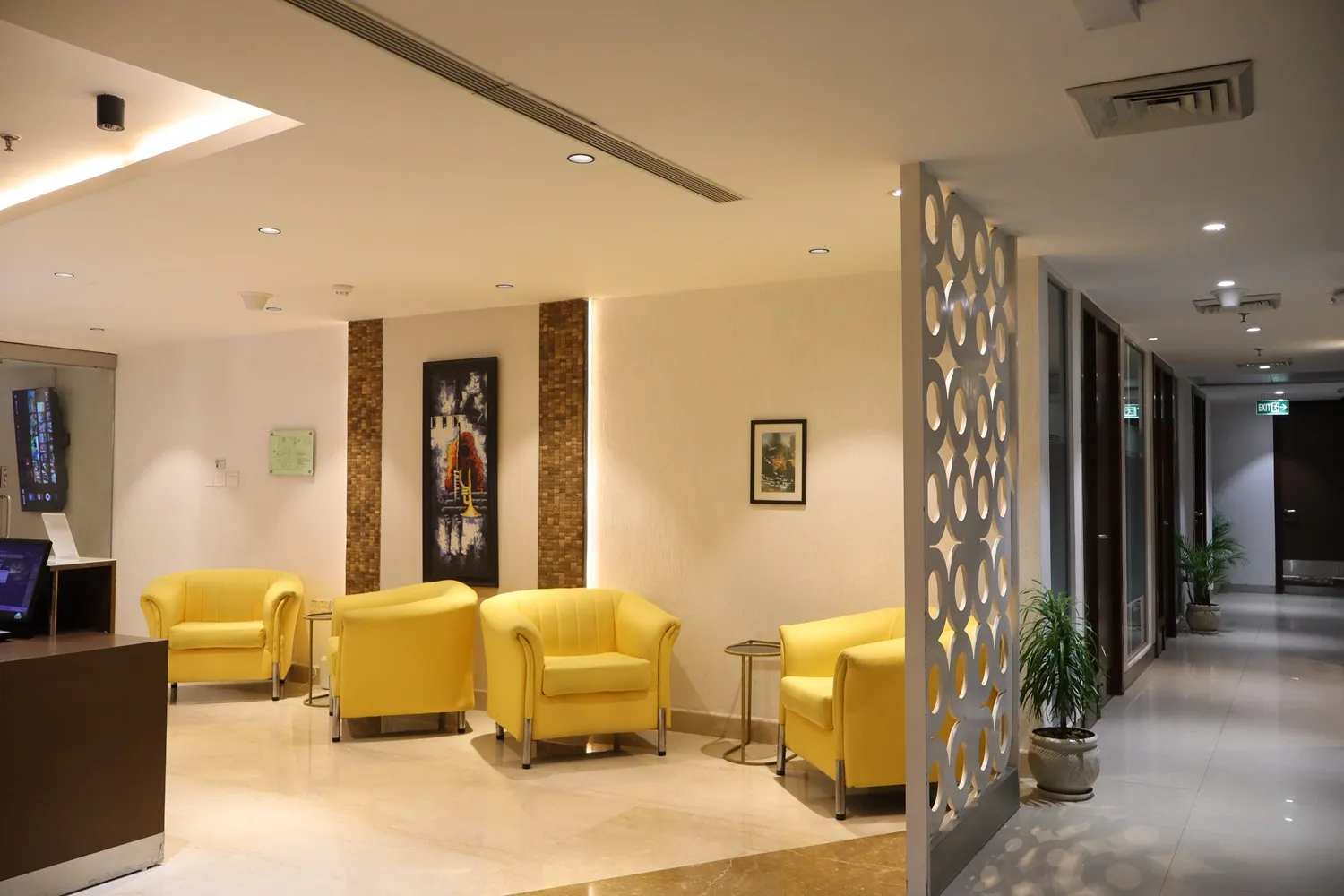
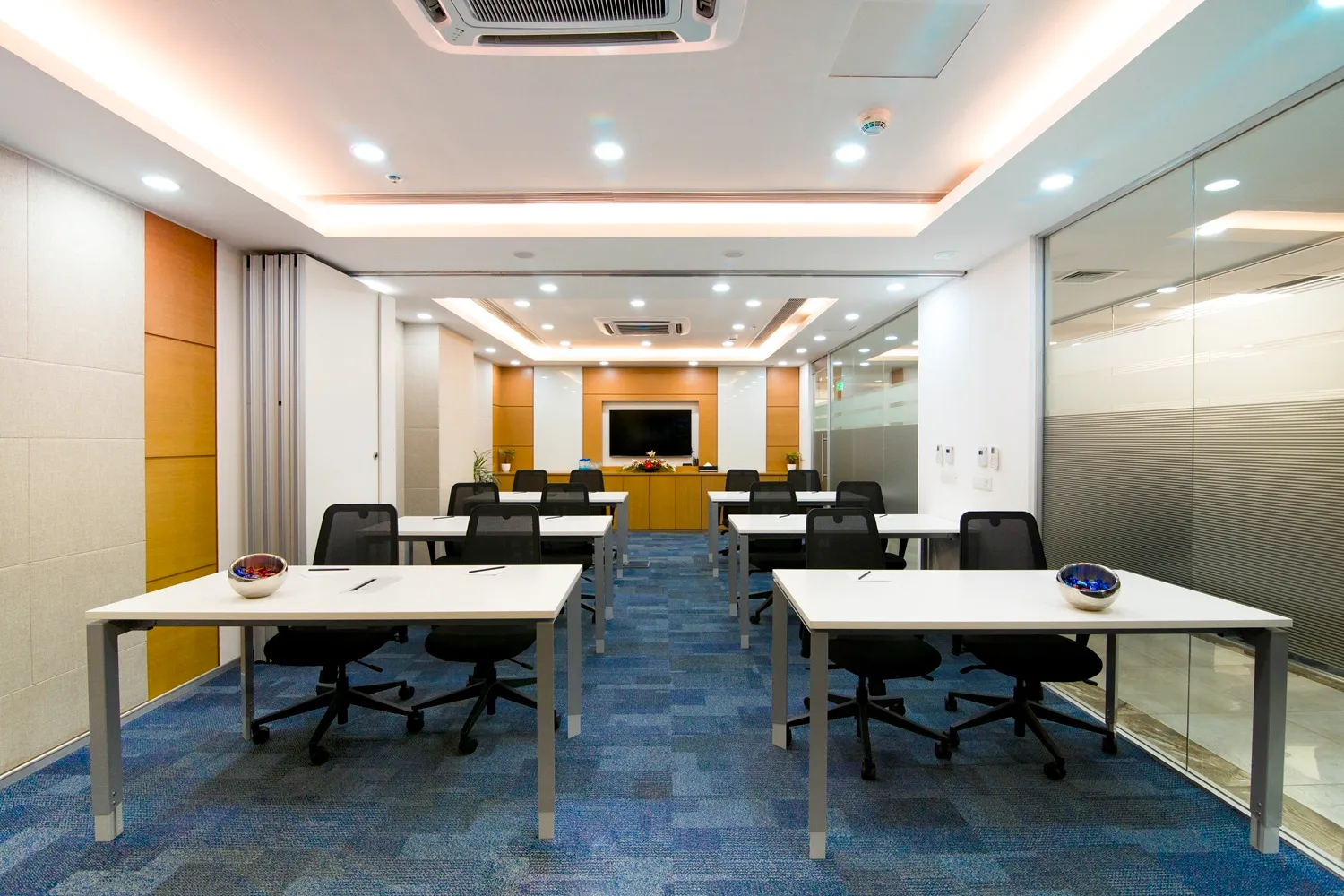
Light fills every room at Avanta Business Centre because windows stretch wide across the buildings. Places like Statesman House near Connaught Place or Southern Park in Saket sit where sunshine moves freely through open glass walls. A workspace works better when it feels bright, not boxed in. What matters most isn’t just the table you sit at, but how air and daylight flow around it.
1. Unmatched Infrastructure
We don’t just offer rooms; we create ecosystems with thoughtfully designed spaces:
-
Smart LED Systems: These lights adjust brightness alongside sunlight. They stay bright when clouds roll in and often save power without feeling dim. They usually match the window light during mornings and sometimes shift color as the sunrise does.
-
High-Speed Connectivity: Faster connections keep your online tasks flowing as things around you stay in order.
-
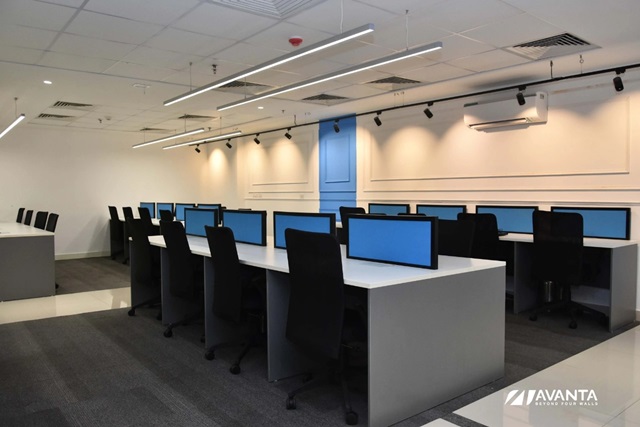
Ergonomic Layouts: Light fills the space just right when work areas face it head-on. Screens stay clear because they sit at an angle away from bright spots. Comfort comes from how things line up with your body. Position matters most when eyes and hands move all day.
2. Professional Hospitality
Start right. Focus matters most when shadows fade and eyes stay sharp. Little things slip through cracks unless someone watches closely. That job falls to our team—quiet fixes, steady hands, and nothing missed:
-
Guest Reception: Arriving? Staff greets you right away. A person checks you in, calm and clear. Help comes without fuss, just straightforward. Someone is always there to guide.
-
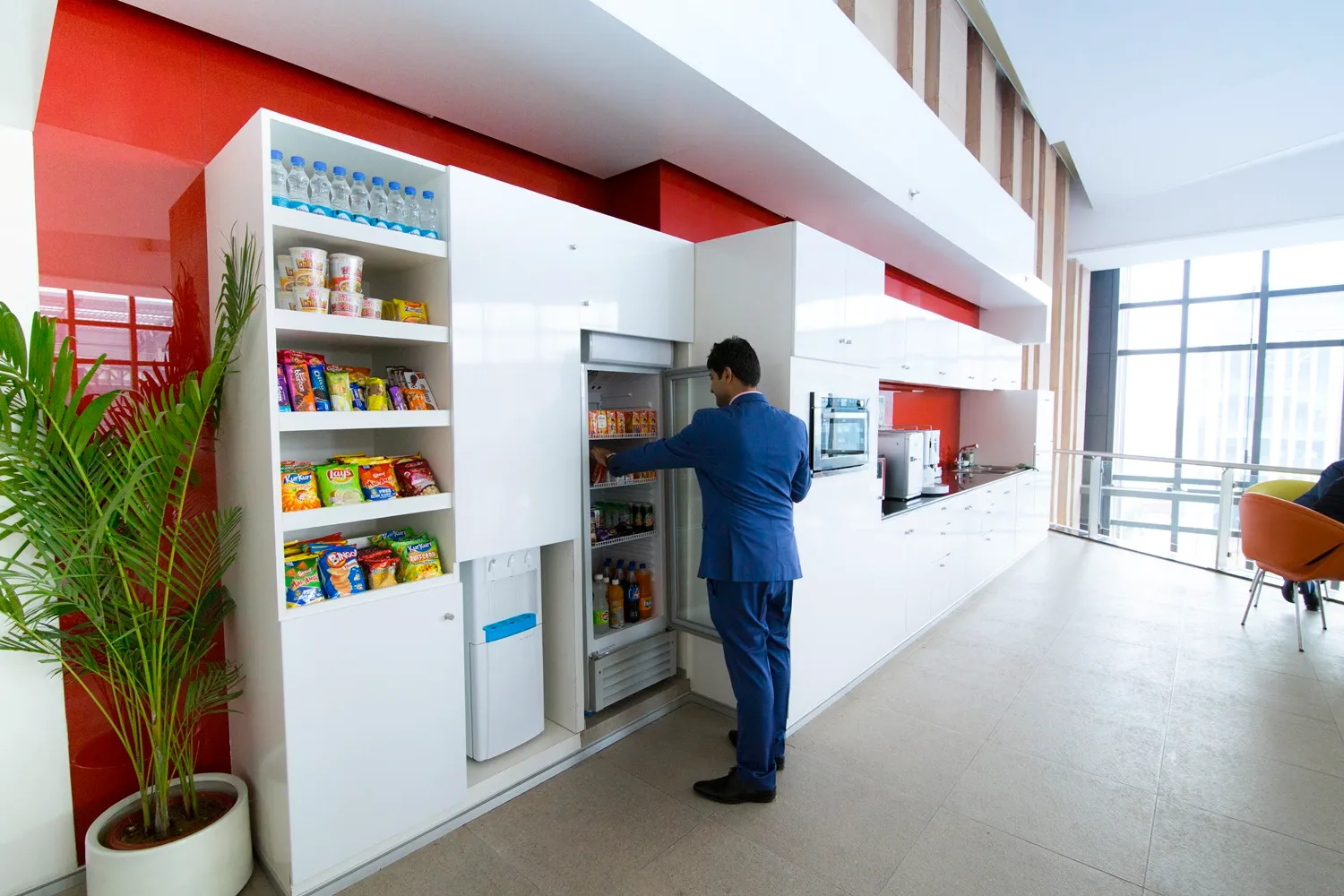
Quality Refreshments: Start the day right with a warm cup of rich coffee or herbal tea. Energy stays strong when drinks taste good. Sip slowly, feel alert, and move on.
-
On-Site IT Help: When things go wrong, someone shows up fast. Experts arrive ready to fix what is broken. Tech keeps running because help arrives in person. Problems get solved before they grow. Your systems stay awake while others sleep.
Frequently Asked Questions (FAQ)
Q1: Fix bad office lighting without relocating?
Start bright mornings with lamps that let you tweak their glow (task lighting). Still, nothing beats rooms built to welcome sunlight when chasing better focus. Light shaped by windows sets the real pace.
Q2: Screen Blue Light Affecting Office Lighting?
When the lights in the room are too low, eyes work harder against glowing screens. A screen that shines bright feels harsher when the surroundings stay dark. Light around you should match the glow just right—too little causes stress, too much creates glare. Proper balance softens how sharply the monitor stands out.
Q3: Avanta Offices and Natural Light Availability?
Light from windows shapes how we arrange every space. Our serviced offices usually sit close to glass walls or have actual windows—either way, daylight flows in easily.
Q4: Office Light Levels Measured in Lux?
A workspace using a regular computer setup usually needs light between 300 and 500 lux. When precision matters—say, sketching building plans—the brightness might need to climb toward 750 or even hit 1000 lux.
Final Thoughts: Investing in Human Energy
Most people feel off when the lights overhead stay on all day. Sunlight through windows lifts moods without anyone noticing. Rooms filled with daylight keep energy steady by late afternoon. Workers in bright spaces tend to show up more alert. Happy teams usually sit near views and open glass. Fewer headaches happen where sunlight moves across floors. Quiet focus grows in places touched by morning light. Offices flooded with sun rarely hear complaints about tiredness.
People come first in winning workplaces by 2026—machines will never replace that truth. A room built around human rhythm does more than hold desks—it fuels how minds stay sharp through afternoons. Opt instead for natural daylighting that is effective in increasing pthe roductivity of your workers. Rent office spaces with natural daylight so that your workers are fully satisfied and happy.
Illuminate Your Business Growth with Avanta!
Picture walking into a space where light fills every corner. At Avanta Business Centre, people already do. A fresh setting changes how work feels. Step in and find others who’ve made the shift. This place moves with what comes next.
[Contact Us Today to Reserve Your Light-Filled Office Space]