
Assessment Centre vs Interview Comparing Hiring Accuracy in 2026

Companies spend lakhs on bad hires. Discover why leading organisations across Gurgaon and Delhi are replacing traditional interviews with structured assessment centres - and what the science says about which method actually predicts job performance.
Assessment centres are significantly more accurate predictors of job performance than traditional interviews - with a predictive validity of 0.65 versus 0.20–0.38 for most interview formats. But they come at a cost. This guide covers everything you need to know.
What Is an Assessment Centre?
An assessment centre is a structured, multi-method evaluation process used in recruitment and talent development. Unlike a traditional interview - where a candidate answers questions - an assessment centre places candidates in realistic, job-relevant scenarios and evaluates their behaviour directly.
Typically lasting one to two days, assessment centres involve multiple trained assessors observing groups of candidates as they complete exercises such as group discussions, in-tray or e-tray exercises, role-plays, presentations, and psychometric tests. Each exercise is mapped to specific competencies required for the role.
The term "centre" refers to the methodology, not necessarily a physical place - though the right conference venue makes a significant difference to the quality and credibility of the process. Assessment centres in Gurgaon are increasingly popular among multinational companies, Indian enterprises, and fast-growing startups conducting high-volume hiring.
Benefits of Assessment Centres in Recruitment
1. Lower capital operating significantly
A common misconception is that assessment centres are only for large enterprises with deep budgets. In reality, a well-designed half-day format for 6–8 candidates can be far more cost-effective than the aggregate cost of multiple rounds of traditional interviews conducted across weeks. When you factor in the cost of a bad hire - which research estimates at 1–3× annual salary - the investment in a proper assessment centre pays for itself quickly.
2. Adjust continuous hire to fit the team
Unlike rolling individual interviews, an assessment centre allows HR teams to evaluate an entire cohort simultaneously. This means faster decisions, consistent evaluation standards, and the ability to compare candidates directly rather than relying on memory across weeks of separate interviews. Team leads can observe exercises in real time, creating natural alignment between the hiring decision and the team's actual working style.
3. Offer high-quality networking by default
One underappreciated benefit of assessment centres is the employer branding value. Candidates who experience a well-run, professionally hosted assessment centre - with structured feedback, a premium venue, and clear communication - leave with a positive impression of the organisation, even if not selected. In competitive talent markets like Gurgaon and Delhi NCR, candidate experience is a differentiator.
4. Employee satisfaction and retention
Employees hired through assessment centres consistently report higher job satisfaction in their first year. The process gives both parties - employer and candidate - a realistic preview of the role. Candidates self-select more accurately, reducing early attrition. Assessment centres also surface potential that traditional CVs and interviews miss: quiet high-performers, lateral thinkers, and natural collaborators who may not interview well but excel in realistic task scenarios.
5. Shared resources available without additional charge
When using a dedicated venue like Avanta Business Centre for your assessment centre in Delhi or Gurgaon, shared resources - AV systems, printing, breakout rooms, catering - are included or available at marginal cost. This removes the logistical burden from HR teams who would otherwise need to source and manage these independently.
6. Better Security for Company Data
Running assessment centres in a professional, access-controlled environment significantly reduces the risk of candidate discussion of sensitive business information, confidential role details, or proprietary materials. Premium business centres like Avanta provide private meeting rooms with confidentiality as standard.
7. Premium Meeting Spaces When Needed
The venue signals to candidates what kind of organisation they are joining. A professionally appointed assessment centre room - with ergonomic seating, natural light, high-speed Wi-Fi, and AV facilities - communicates organisational quality from first contact. Avanta's conference rooms across Gurgaon and Delhi are designed precisely for this purpose.
8. Flexible Commute Choices
With Avanta locations at MG Road and NH-8 in Gurgaon, and Connaught Place, KG Marg, Saket, and Nehru Place in Delhi, candidates from across Delhi NCR can reach assessment venue without excessive travel time - improving attendance rates and reducing logistical friction for multi-city hiring drives.
9. Simple Budget-Planning Made Clear
Serviced office providers like Avanta offer transparent, per-room-per-day pricing for assessment centre venue hire. Unlike hotel conference facilities that charge variable rates with hidden charges, business centre pricing is predictable and includes infrastructure costs. This makes budget planning straightforward for HR teams and procurement.
Advantages and Disadvantages of Assessment Centres
Understanding both the advantages and disadvantages of assessment centres is essential before committing to this approach. Here is a balanced overview:
| ✅ Advantages of Assessment Centres | ❌ Disadvantages of Assessment Centres |
|---|---|
| High predictive validity (~0.65) for job performance | Higher cost per candidate than single interviews |
| Reduces unconscious bias through structured scoring | Significant time commitment (1–2 full days) |
| Multiple assessors reduce individual rater error | Complex logistics: scheduling assessors, venues, exercises |
| Realistic job simulation reveals true behaviour | Candidate anxiety can skew results |
| Fairer, more defensible selection process legally | Requires trained assessors for valid scoring |
| Strong employer branding impact on candidates | Risk of group dynamics influencing individual assessment |
| Identifies high-potential candidates missed by CVs | Not suitable for very senior confidential appointments |
| Useful for development & succession planning too | Over-engineering for junior, low-risk roles |
Assessment Centre vs. Interview: Head-to-Head Comparison
Comprehensive comparison of assessment centres and traditional interviews across key hiring dimensions
| Dimension | Assessment Centre | Traditional Interview | Winner | Request a Free Quote |
|---|---|---|---|---|
| Predictive Validity | ~0.65 (high) | 0.20–0.38 (low–moderate) | Assessment Centre | Explore Plans |
| Bias Reduction | Multiple assessors, structured scoring | Single rater, subjective, high bias risk | Assessment Centre | Explore Plans |
| Cost Per Candidate | ₹2,000–₹8,000 per candidate | ₹300–₹1,500 per candidate | Interview | Explore Plans |
| Time to Decision | 1–2 days, all candidates simultaneously | Weeks of sequential meetings | Assessment Centre | Explore Plans |
| Candidate Volume | 4–20 candidates per event | 1 candidate per session | Assessment Centre | Explore Plans |
| Skills Assessed | Behaviour, problem-solving, teamwork, leadership, communication | Primarily verbal communication & self-reporting | Assessment Centre | Explore Plans |
| Legal Defensibility | High - structured, documented, multi-rater | Low–moderate, especially unstructured formats | Assessment Centre | Explore Plans |
| Candidate Experience | Positive if well-run; can be stressful | Familiar; lower anxiety for most candidates | Depends on execution | Explore Plans |
| Best Used For | Graduate schemes, management roles, high-volume hiring | Senior confidential appointments, specialist roles | Complementary tools | Explore Plans |
| Venue Requirement | Conference rooms, breakout spaces, AV | Single meeting room | Depends on scale | Explore Plans |
Assessment Centre Venue Hire: Locations & Pricing
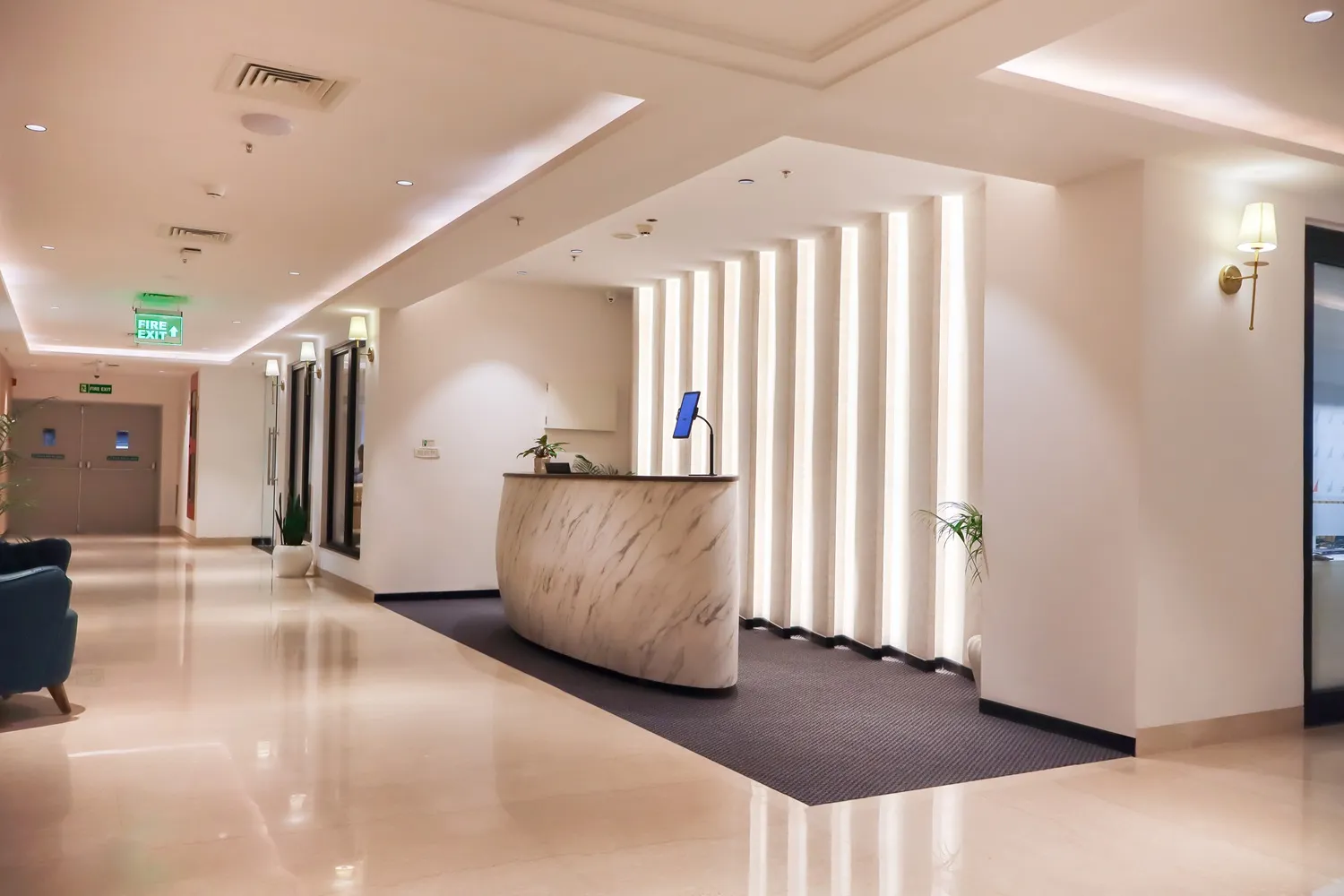
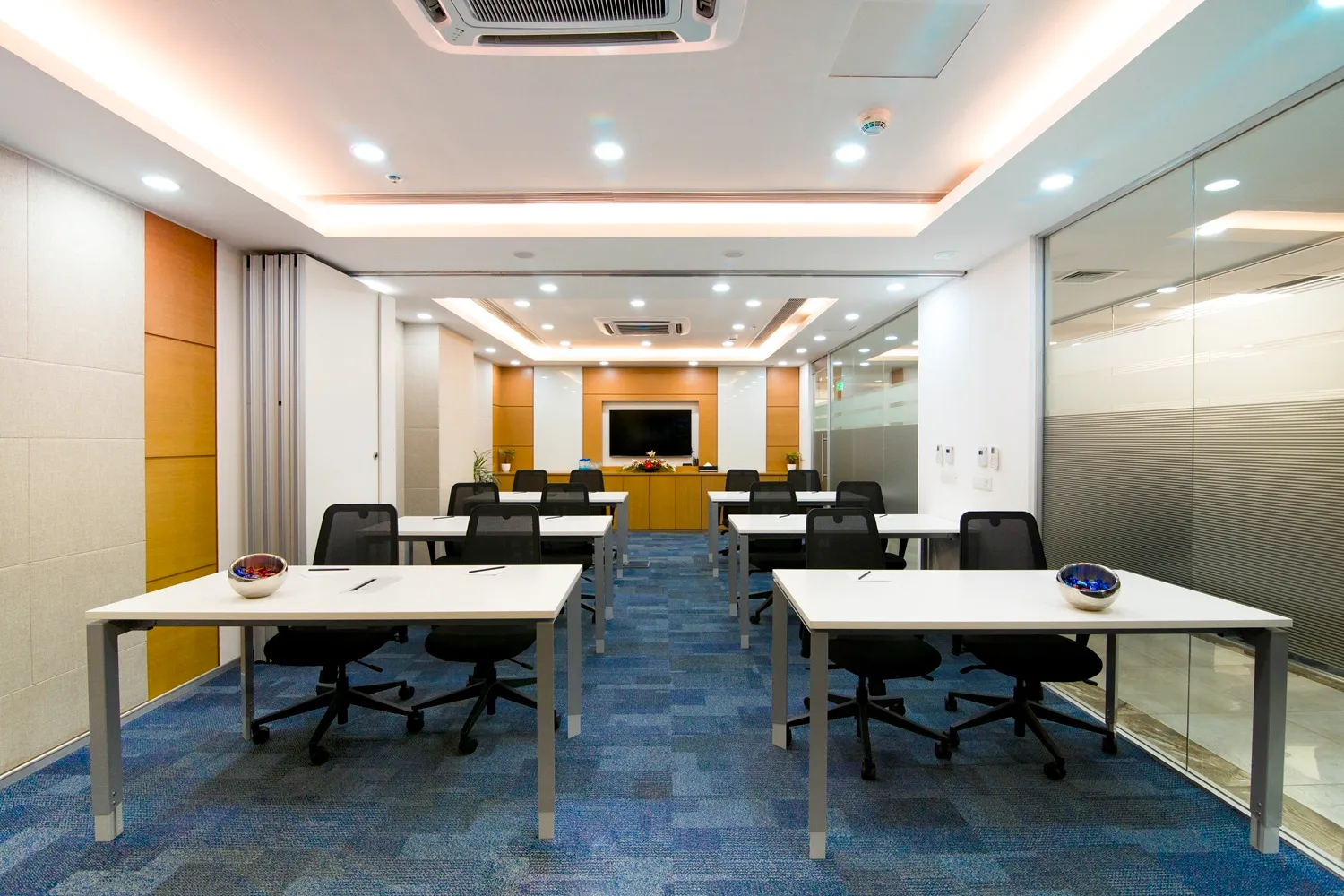
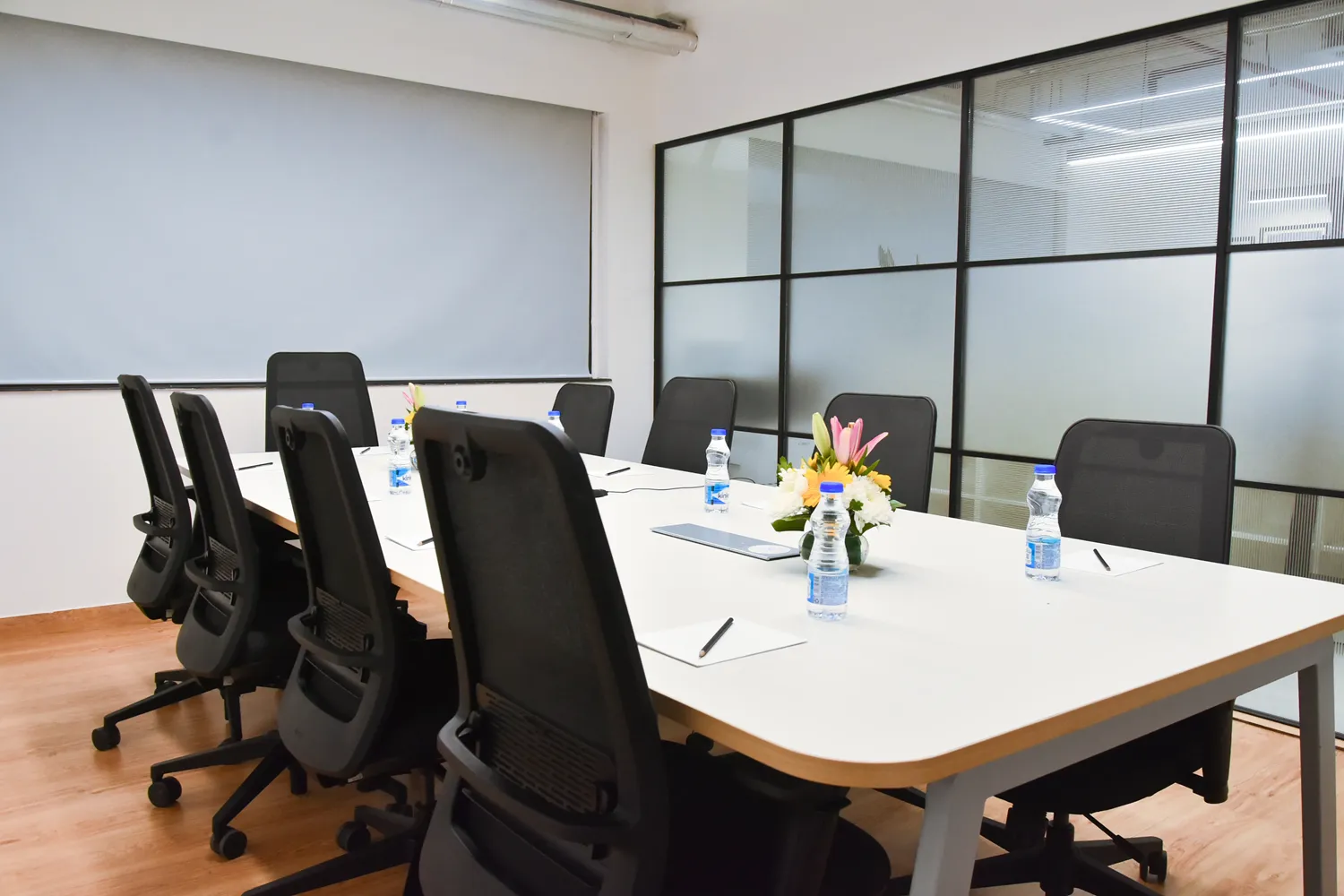
Running a professional assessment centre requires the right environment. An Avanta Business Centre in Delhi NCR offers fully equipped rooms for assessment centre hire in Gurgaon and Delhi — with AV support, breakout rooms, catering, and reception services included.
Transparent day-hire pricing for assessment centre venue hire at Avanta:
| Half Day | Full Day | 2-Day Programme | Enterprise | Schedule a Free Consultation |
|---|---|---|---|---|
| ₹5,000 per session · excl. GST | ₹12,000 per day · excl. GST | ₹22,000 2 days · excl. GST | Custom volume · multi-location | Contact Us |
| 1 conference room (8–12 pax) | 1 conference room (12–16 pax) | Up to 2 conference rooms | Multi-city booking (Delhi + Gurgaon) | Contact Us |
| AV equipment & projector | Full AV suite & video conferencing | Dedicated event coordinator | Repeat hire discount rates | Contact Us |
| Whiteboard & stationery | Dedicated breakout zone | Full catering both days | Dedicated account manager | Contact Us |
| Reception & admin support | Catering: tea, coffee & lunch | Multiple breakout areas | Custom catering packages | Contact Us |
| High-speed Wi-Fi | Printing & stationery included | Psychometric test-taking area | Virtual + hybrid assessment support | Contact Us |
How to Run an Assessment Centre: Step-by-Step
Running a successful assessment centre in recruitment involves careful planning across five stages:
Why Choose Avanta Business Centre for Your Assessment Centre?
When running an assessment centre, the venue is not a background detail - it is part of the candidate experience and a direct signal of your organisation's quality. Here is why HR teams across Delhi NCR choose Avanta:
| Requirement | What Avanta Provides |
|---|---|
| Multiple simultaneous spaces | Conference rooms + breakout rooms bookable together at all 7 locations |
| AV & technology | Projectors, screens, video conferencing, HDMI, high-speed Wi-Fi |
| Catering | Tea, coffee, water, lunch packages available on request |
| Privacy & confidentiality | Access-controlled rooms; private candidate waiting areas |
| Reception support | Professional front desk to greet and register candidates |
| Location | 7 centres across Gurgaon & Delhi - all near Metro stations or major roads |
| Flexible booking | Half-day, full-day, and multi-day packages available |
| Corporate experience | Premium-grade environment that reflects well on your employer brand |
Final Thoughts
The evidence is unambiguous: assessment centres predict job performance significantly better than traditional interviews. For organisations that invest in quality hiring - particularly for roles where the cost of a mis-hire is high - assessment centres offer the best return on selection investment available.
The barriers that historically made assessment centres feel inaccessible - cost, logistics, venue - have largely disappeared. With dedicated, professionally serviced spaces available across Gurgaon and Delhi NCR, running a world-class assessment centre is now practical for organisations of every size.
Whether you are hiring for a graduate batch, a management cohort, or a single critical leadership appointment, Avanta Business Centre provides the space, infrastructure, and professional environment to make your assessment centre a success.
Start small: If you are new to assessment centres, run a compact half-day event for your next 6–8 candidate shortlist. Compare the quality of your hire decision to your last few interview-only appointments. The difference is typically self-evident within 90 days of the new employee joining.
FAQs
1. What is an assessment centre and how does it work?
2. What are the main advantages of assessment centres over traditional interviews?
3. What are the disadvantages of assessment centres?
4. How do assessment centres help reduce bias in recruitment?
5. What happens if too many candidates pass the assessment centre?
6. Are assessment centres really more accurate than interviews?
7. How can I book a venue for an assessment centre in Gurgaon?
Book Your Assessment Centre Venue Today
Premium conference rooms with AV, breakout spaces, and catering across 7 locations in Gurgaon & Delhi NCR. Contact Avanta for a same-day quote.
About the Author