

How to Stay Calm and Focused at Work: 7 Strategies That Actually Work in 2026

Most productivity advice tells you to do more. But the real skill - especially in today's always-on, notification-heavy workplace - is learning to slow down strategically so you can focus deeply on what actually matters.
How to Stay Calm and Focused at Work
Why Being Calm and Focused at Work Isn't a Soft Skill Anymore
Let's be honest - staying focused at work has never been harder. Between back-to-back meetings, Slack pings, email threads, and the constant blur of deadlines, your attention is the most valuable and most threatened resource you have.
Before you can fix your focus, you need to understand something simple: distraction is your brain's default state, not a personal failure. Every notification, every side conversation, every open browser tab is competing for a limited cognitive resource.
The good news? You can train your brain to work with you. Here's how.
Understand Your Cortisol - Why You Feel Stressed Before Lunch
Here's something nobody tells you in onboarding: your stress response is physical, not just psychological. When you feel overwhelmed at work, your body is releasing cortisol - the stress hormone - which narrows your focus and prepares you for "fight or flight."
This is great if you're running from a tiger. Not so great when you're trying to write a client proposal.
Break a tension session in 3 minutes
Science-backed micro-recovery techniques that interrupt the cortisol loop:
- Box breathing (4-4-4-4): Inhale 4 sec → Hold 4 sec → Exhale 4 sec → Hold 4 sec. Two rounds reset your nervous system.
- Progressive muscle release: Clench your fists hard for 5 seconds, then release. Repeat for shoulders. Instant physical tension drop.
- 2-minute rule: Anything that takes less than 2 minutes - do it now and cross it off. Small wins reduce anxious load.
- Walk to a window: Natural light and a brief visual distance shift (looking at something 20+ feet away) signals your brain to downregulate alert mode.
Watch Out for the Noise - It's Not Just Sound
When we talk about "noise" at work, most people think of loud colleagues or open-plan chatter. But cognitive noise - mental clutter - is just as destructive to your focus as physical sound.
Cognitive noise includes:
- Unresolved tasks sitting in the back of your mind ("I need to reply to that email")
- Vague, unmeasured goals ("I need to do better this quarter")
- Decision fatigue from too many small choices early in the day
- Emotional residue from a difficult conversation left unaddressed
Reduce cognitive noise before it compounds
- Morning brain dump: Spend 5 minutes writing everything on your mind before starting work. Externalising thoughts frees up working memory.
- Task parking lot: When a new thought interrupts your deep work, write it in a dedicated "parking lot" list to revisit - don't act on it immediately.
- Shut the tabs: Each open browser tab is a micro-decision waiting to happen. Fewer tabs = quieter mind.
Stop Blaming the Office Culture - It Might Be Your Habits
It's tempting to blame open-plan offices, noisy coworkers, or back-to-back meeting culture for your lack of focus. And yes - those things matter. But how you respond to your environment is something you can control right now, even before anything around you changes.
A few honest truths most productivity blogs skip:
- Multitasking is a myth: Your brain doesn't actually do two things at once - it switches rapidly between tasks, and each switch costs time and accuracy.
- Perfectionism kills momentum: Waiting to "feel ready" before starting a task is just procrastination wearing a smart suit. Ship a draft. Refine later.
- Checking phone = resetting your focus clock: Every time you check your phone during work, you restart the ~23-minute window needed to re-enter deep focus.
The "Focus Blocks" method
Instead of battling your calendar, schedule focus blocks - 90-minute windows of uninterrupted deep work. During a focus block:
- Phone goes face-down or on Do Not Disturb
- Email client is closed (not just minimised)
- One task only - written clearly at the top of your screen
- A glass of water (not coffee) within reach
Your Workspace Shapes Your Mindset - More Than You Think
Here's a question worth sitting with: Does your current workspace make you feel focused, or fragmented?
Numerous studies in environmental psychology confirm that physical surroundings directly influence cognitive performance. Temperature, lighting, noise level, air quality, and even desk organisation all affect how quickly you enter a focused state - and how long you stay there.
The 5 workspace signals your brain responds to
- Lighting: Natural light (or 5000-6500K daylight LEDs) reduces eye strain and improves alertness. Warm, yellow lights signal "wind down" to your brain.
- Temperature: A slightly cool environment (19–22°C) improves focus. Warm rooms increase sleepiness.
- Visual order: Cluttered surfaces compete for attention. A clear desk signals to your brain that the context is "work mode."
- Ergonomics: Physical discomfort is a background stressor that erodes focus. Sitting at the right height, with your screen at eye level, removes one source of cortisol from your day.
- Background sound: Low-level ambient sound (~50-65 dB) - like a coffee shop hum - often improves creative and analytical work more than complete silence.
Why Managed Office Spaces Like Avanta Are Designed for This
This isn't just theory - the right office environment makes calm focus the path of least resistance, not a constant battle. That's the philosophy behind managed business centres like Avanta.
Unlike a home setup (where your brain associates the space with rest) or a chaotic open-plan office (constant overstimulation), a professional managed workspace creates what psychologists call a "contextual cue for work" - your brain learns to shift into focus mode the moment you walk in.
What Avanta's workspaces offer for focus and calm
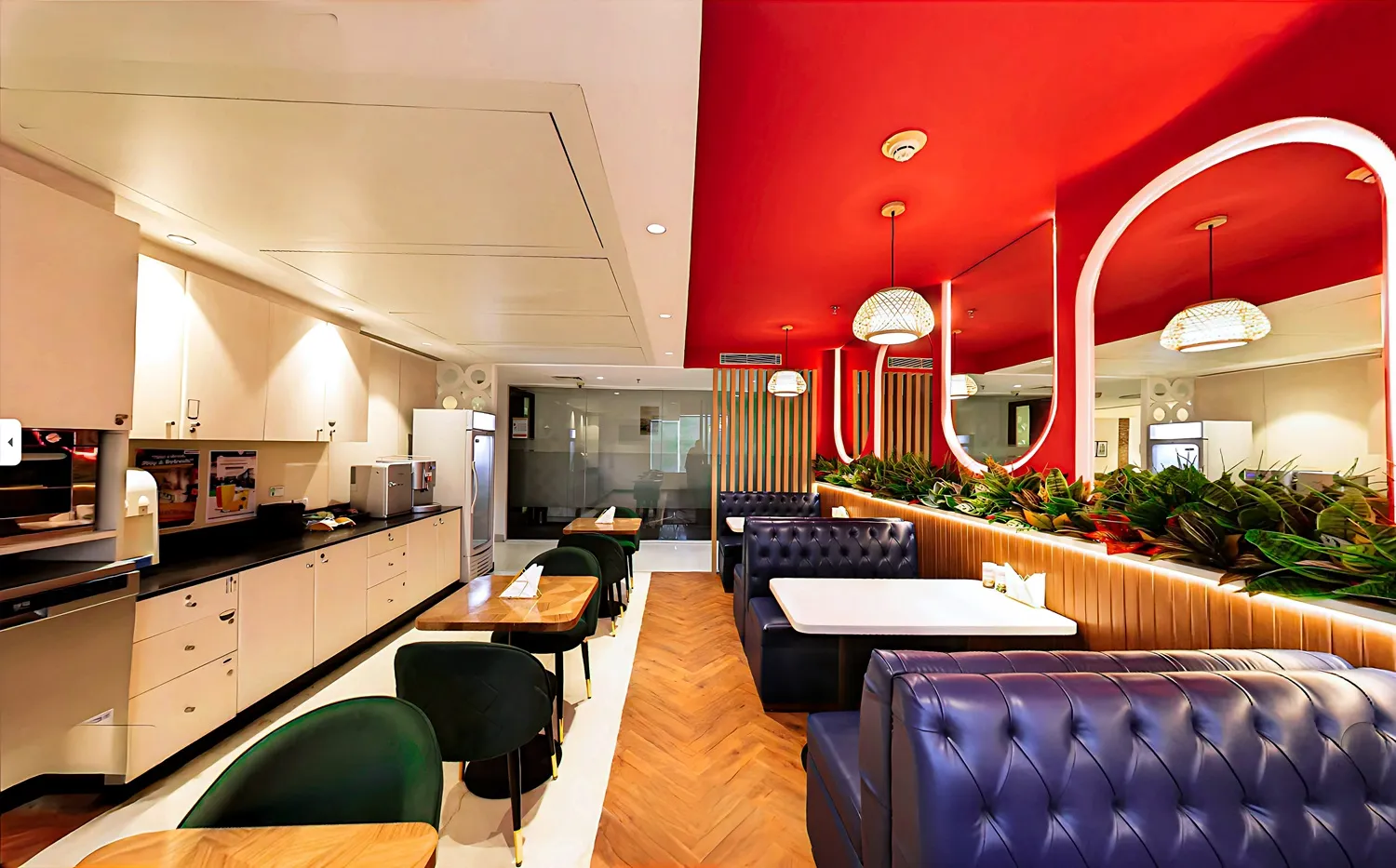
- ✅ Private offices and quiet zones designed for deep-focus work
- ✅ Ergonomic furniture reducing physical stress and fatigue
- ✅ High-speed, reliable internet - no technical friction to interrupt flow
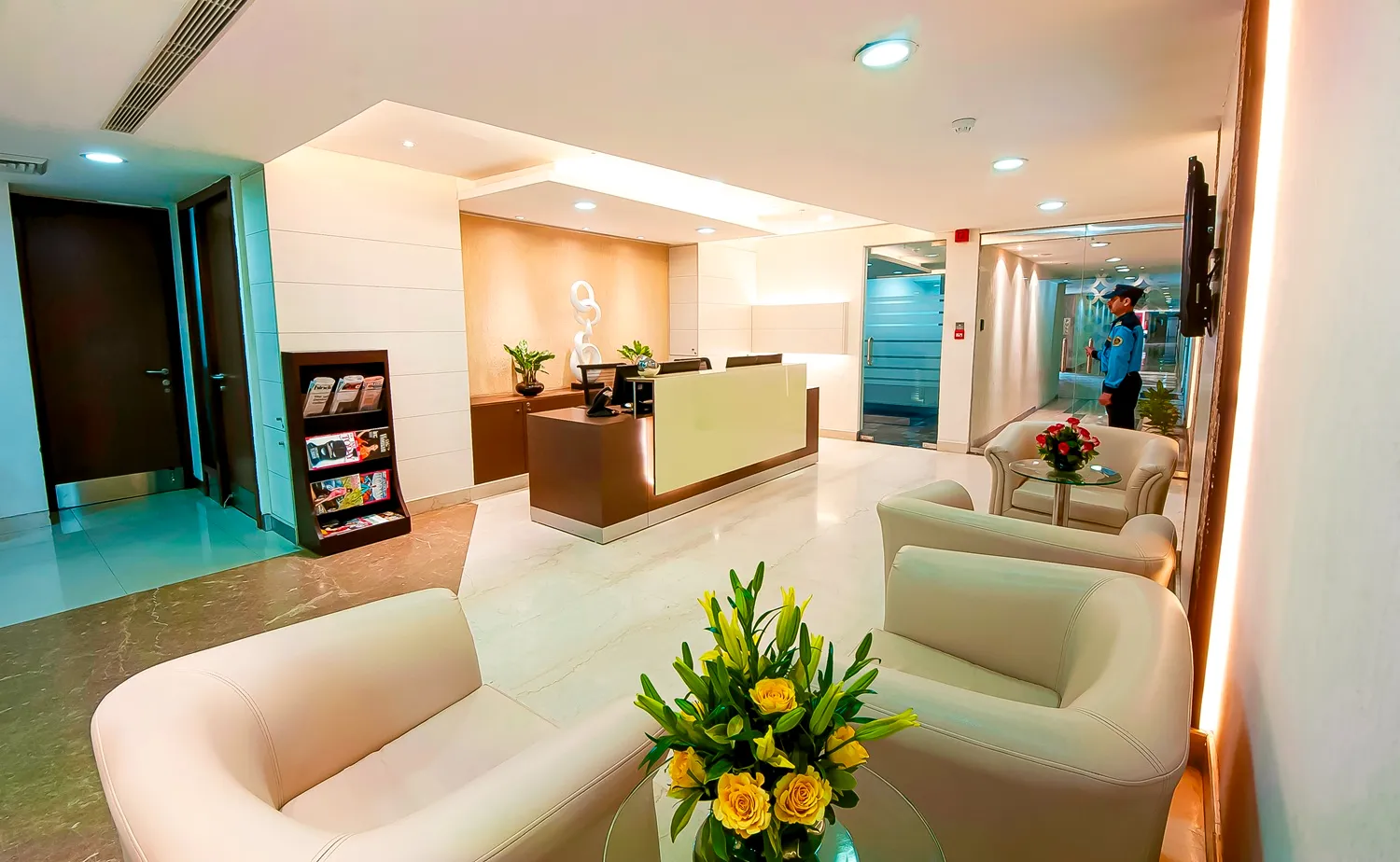
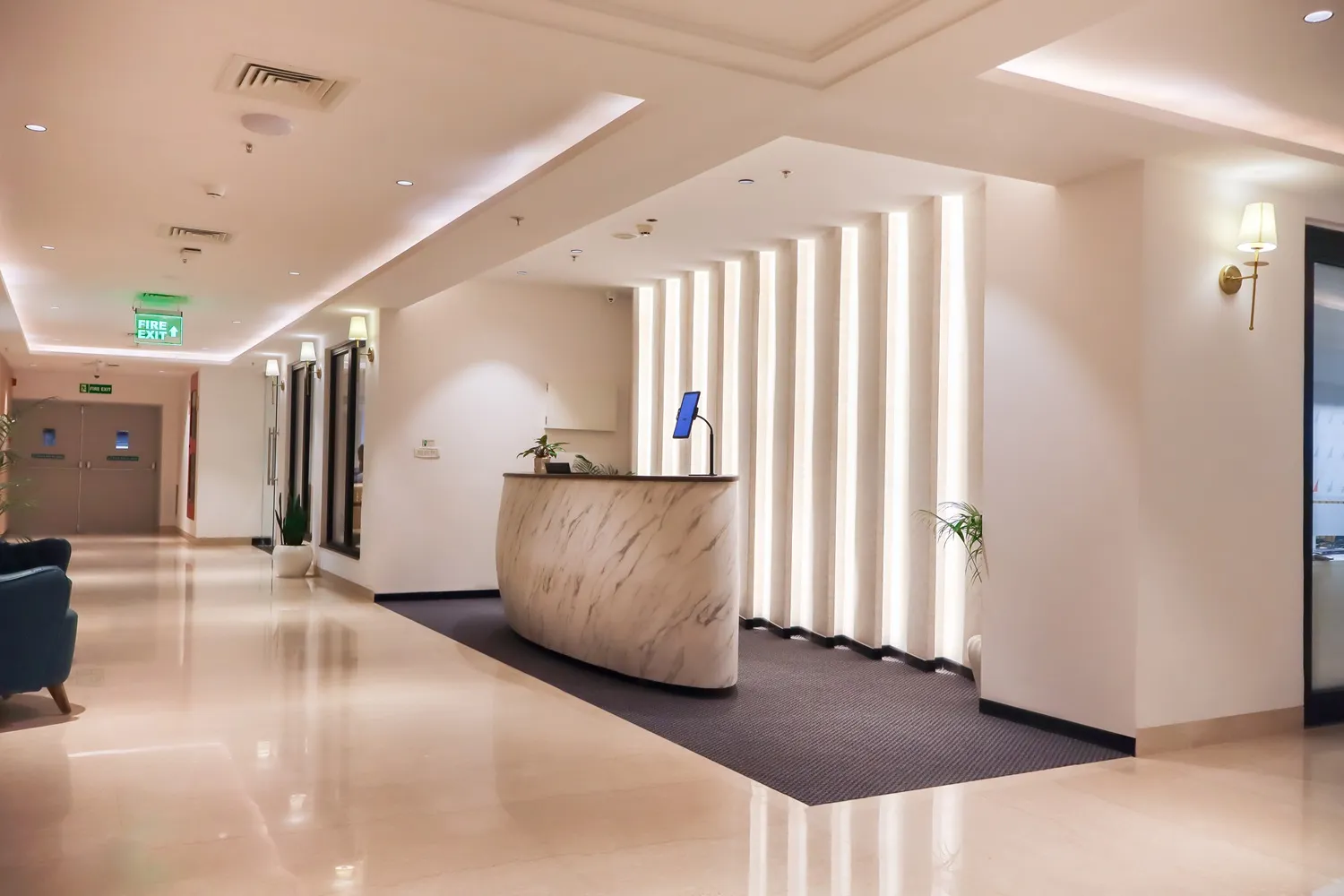
- ✅ Professional reception and support staff handling admin noise
- ✅ Prime Delhi locations - Connaught Place, Saket, Nehru Place and Gurgaon - commute-friendly
- ✅ Meeting rooms on demand - so discussions leave your primary workspace
Final Thoughts: Calm Is a Competitive Advantage
In a world where everyone is busy, being genuinely calm and focused is genuinely rare - and rare skills are valuable ones. The ability to direct sustained, high-quality attention to one problem at a time is what separates good work from great work.
You don't need to overhaul your entire life. Start with one thing:
- Try one 90-minute focus block tomorrow morning
- Do a 5-minute brain dump before your workday starts
- Remove notifications from your phone's home screen for one week
Small, consistent shifts compound. And if your physical workspace is working against you? That's the highest-leverage change you can make - because you can't out-habit a bad environment.
Avanta Business Centre offers flexible office spaces across Delhi and Gurgaon, designed for professionals who take their work environment seriously. Get in touch to see which location suits you best.
FAQs
1. Can I really stay calm in a shared office space?
2. What can help improve focus in a shared workspace?
3. Does office design really affect productivity?
4. How should I deal with frequent interruptions from coworkers?
5. Is a private office better for focus than a coworking space?
Ready to Work Somewhere That Works for You?
Explore Avanta's private offices, coworking desks, and meeting rooms across Delhi & Gurgaon. Designed for focus. Built for professionals.
About the Author