
How Avanta Brings Biophilic Design into the Modern Workplace?

Quick Answer:
Avanta brings biophilic design into its business centres through plants placed in reception, lounge and meeting areas; botanical wall art and feature installations in corridors and shared spaces; and nature-inspired materials that soften the clean architectural lines of a modern office - without diluting a professional, high-end feel.
Step into a workplace, and what catches your attention first is not the desk.
Perhaps it is the light from the windows, the opening up of the reception into the lounge, or even the materials used on the walls or plants used to separate the spaces. Some elements may appear immediately apparent, while others will reveal themselves over some time spent in space. A plant next to a sofa, a botanical wall feature in the corridor, or a grouping of plants in a meeting space will subtly transform the interior.
This is where the concept of biophilic design becomes significant.
The concept revolves around bringing natural elements into the constructed spaces. In an office setting, biophilic design means much more than just adding greenery to an office. Plants, nature-inspired textures, botanical motifs, and art inspired by nature may be incorporated into the interior to create a visual link with nature in an otherwise functional work environment.
At Avanta’s workplace, the relationship between nature and the workplace is illustrated with green and botanical elements in the work environment. The plants are seen in reception, lounges, meeting areas, corridors, and offices; there are also feature installations and botanical wall decorations that incorporate more natural elements into the workspace. It is not a workspace filled with plants but rather a place where the use of natural elements has been carefully integrated into the design.
A More Gentle aspect of the workplace
The office itself has the inherent nature of being structured. The desk, chair, glass partitions, screen, table for meetings, and the technology are all functional, and together they form the structure within which work takes place. However, when everything around is rigid and functional, the environment tends to become monotonous.
Greenery introduces an element of difference.
The organic form of leaves provides a counterpoint to straight architectural lines. Various greens provide diversity for neutral surroundings. Plants provide texture to spaces that could otherwise be filled with furniture. Even one strategically placed plant can provide a moment of respite within a larger room.
This is especially true of a high-end workplace, which is supposed to feel elegant but not impersonal. At Avanta, our plants blend in with elegant interiors instead of clashing with them. They are just one of the features that make an individual place unique while remaining professional enough for a business centre.
What Is Biophilic Design?
Step into a workplace, and what catches your attention first is not the desk.
Perhaps it is the light from the windows, the opening up of the reception into the lounge, or even the materials used on the walls or plants used to separate the spaces. Some elements may appear immediately apparent, while others will reveal themselves over some time spent in space. A plant next to a sofa, a botanical wall feature in the corridor, or a grouping of plants in a meeting space will subtly transform the interior.
This is where the concept of biophilic design becomes significant.
The concept revolves around bringing natural elements into the constructed spaces. In an office setting, biophilic design means much more than just adding greenery to an office. Plants, nature-inspired textures, botanical motifs, and art inspired by nature may be incorporated into the interior to create a visual link with nature in an otherwise functional work environment.
At Avanta’s workplace, the relationship between nature and the workplace is illustrated with green and botanical elements in the work environment. The plants are seen in reception, lounges, meeting areas, corridors, and offices; there are also feature installations and botanical wall decorations that incorporate more natural elements into the workspace. It is not a workspace filled with plants but rather a place where the use of natural elements has been carefully integrated into the design.
A More Gentle Aspect of the Workplace
The office itself has the inherent nature of being structured. The desk, chair, glass partitions, screen, table for meetings, and the technology are all functional, and together they form the structure within which work takes place. However, when everything around is rigid and functional, the environment tends to become monotonous.
Greenery introduces an element of difference.
The organic form of leaves provides a counterpoint to straight architectural lines. Various greens provide diversity for neutral surroundings. Plants provide texture to spaces that could otherwise be filled with furniture. Even one strategically placed plant can provide a moment of respite within a larger room.
This is especially true of a high-end workplace, which is supposed to feel elegant but not impersonal. At Avanta, our plants blend in with elegant interiors instead of clashing with them. They are just one of the features that make an individual place unique while remaining professional enough for a business centre.
Where the Day Begins
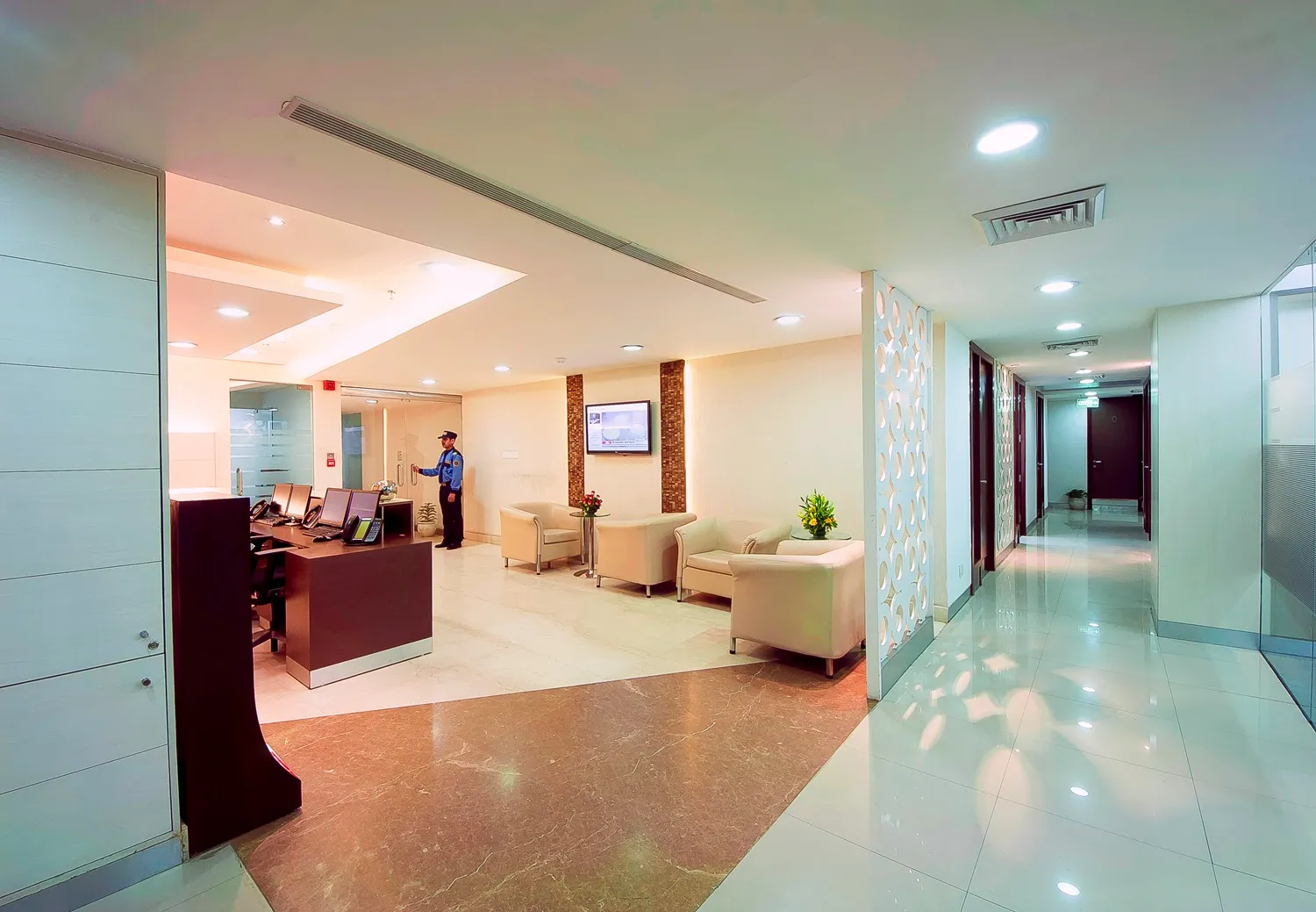
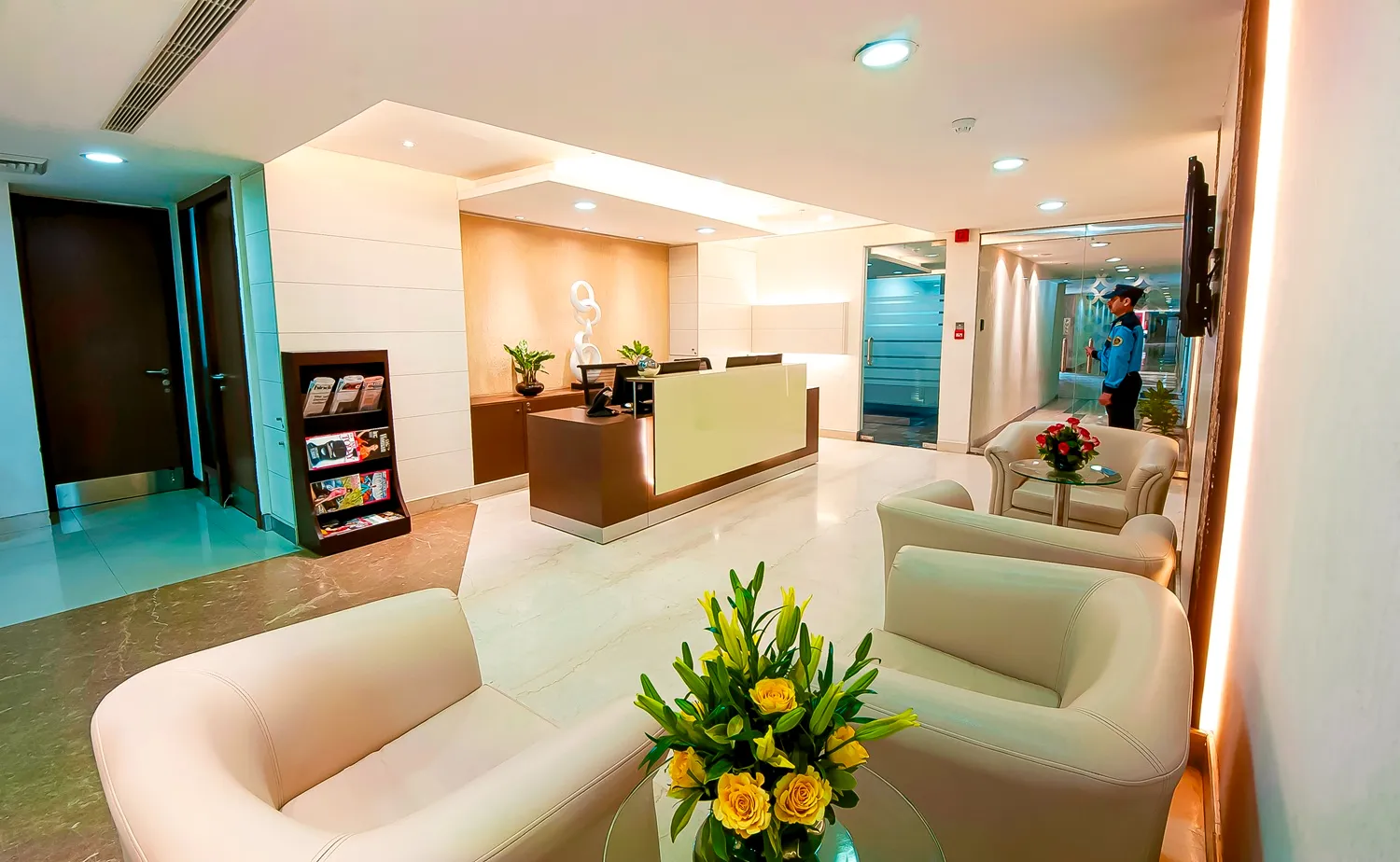
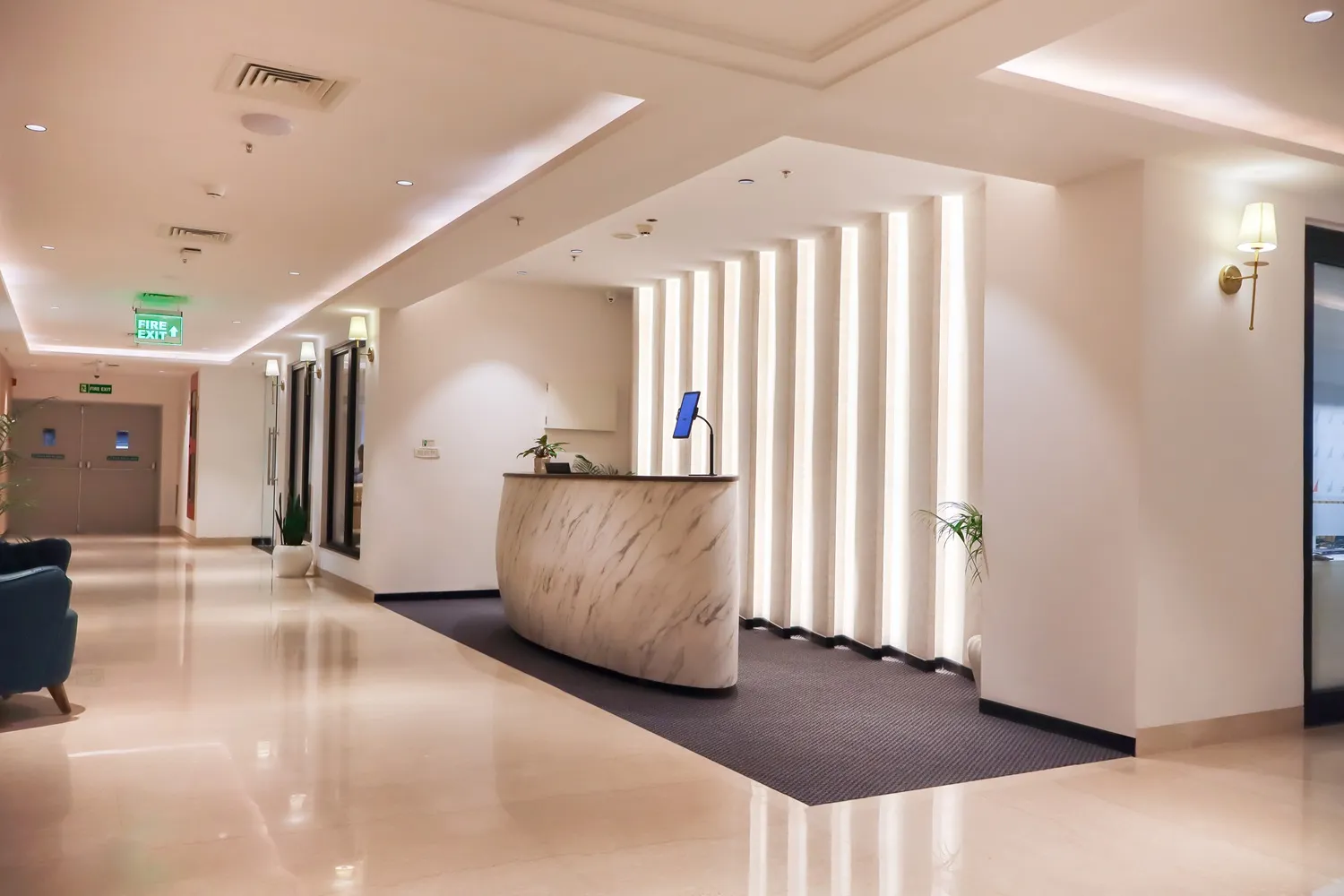
Reception areas come with some responsibilities. It is the place where the visitor arrives, where the client might wait before the interview, and also where the employee comes to work every day. Thus, this place has to be welcoming but professional at the same time.
Greenery becomes a component of that initial impression.
Plants are positioned alongside reception furniture and interior finishes, bringing an organic element into a structured environment. The contrast is understated. Architectural lines remain clean; furniture retains its refined appearance, and the reception continues to function as a professional arrival point. The greenery simply changes the visual balance of the place.
This is where morning coffee introduces something softer into the setting.
From reception, the workplace begins to open into areas where people can pause and interact. Lounge spaces carry a different atmosphere, and the presence of plants continues there through seating areas and shared environments. Greenery becomes part of the transition from arrival to the rest of the working day, linking the more formal front-of-house areas with spaces designed for conversation and relaxation.
A Lounge Area With a Different Rhythm
Every work environment has its moments of variation in pace.
The lounge area is one of them.
It becomes a part of the daily schedule, where colleagues carry discussions beyond the conference room and where people take a break from the screen. Unlike the formal office or boardroom, the lounge area provides ample space for a more relaxed atmosphere.
Greenery complements this change in character.
Natural elements find their place within the interior of the lounge area and add colour and interest to the surroundings. The plants and natural features work in conjunction with the other elements of the room instead of being separated from them and thus blend into the greater office setting.
It works especially well because the place itself is one that connotes taking a break from one’s routine. The plants simply accentuate that without creating a sense of informality and disconnect from the surrounding professional atmosphere.
When Nature Becomes Part of the Interior
Biophilic design is not restricted to only the materials that are incorporated into the space. It can also play a part in the way different features of the interior interact. The interplay of formality and nature through shapes and patterns gives rise to a visual connection.
At Avanta, this connection comes through in the placement of natural elements amidst modern business environments. Clean architectural lines offer order, whereas soft forms and nature-inspired elements offer contrast. The spaces feel polished and professional but not totally dependent on furniture and technology.
The Art of Bringing Nature Indoors
Nature can also come through art.
Botanical and artistic wall treatments bring about organic shapes and designs without depending solely on life forms. It may transform an otherwise plain wall into an aesthetically appealing one without compromising the elegance of a professional work environment.
At Avanta, such solutions give yet another dimension to the interior. For instance, a botanical wall may help an entire corridor stand out, while art inspired by nature may lend some visual appeal to common spaces. Unlike a simple recreation of nature, this is a much more sophisticated way of incorporating nature into interiors.
Creating Moments Within the Workspace
Each section in the workspace does not necessarily need to be visually intense.
There are certain sections that are kept low-key, while other sections are known for their unique aspects that make them stand out. This is where feature installations come in handy.
At Avanta, some spaces use bigger design features that integrate into the overall architectural design. These can serve as a focus point in the room or simply help the space stand out in some way.
The aim here is not to have every corner competing for the spotlight. The goal is to have moments that bring personality to the workspace.
The Relationship Between Spaces
A workplace is not experienced in one room at a time.
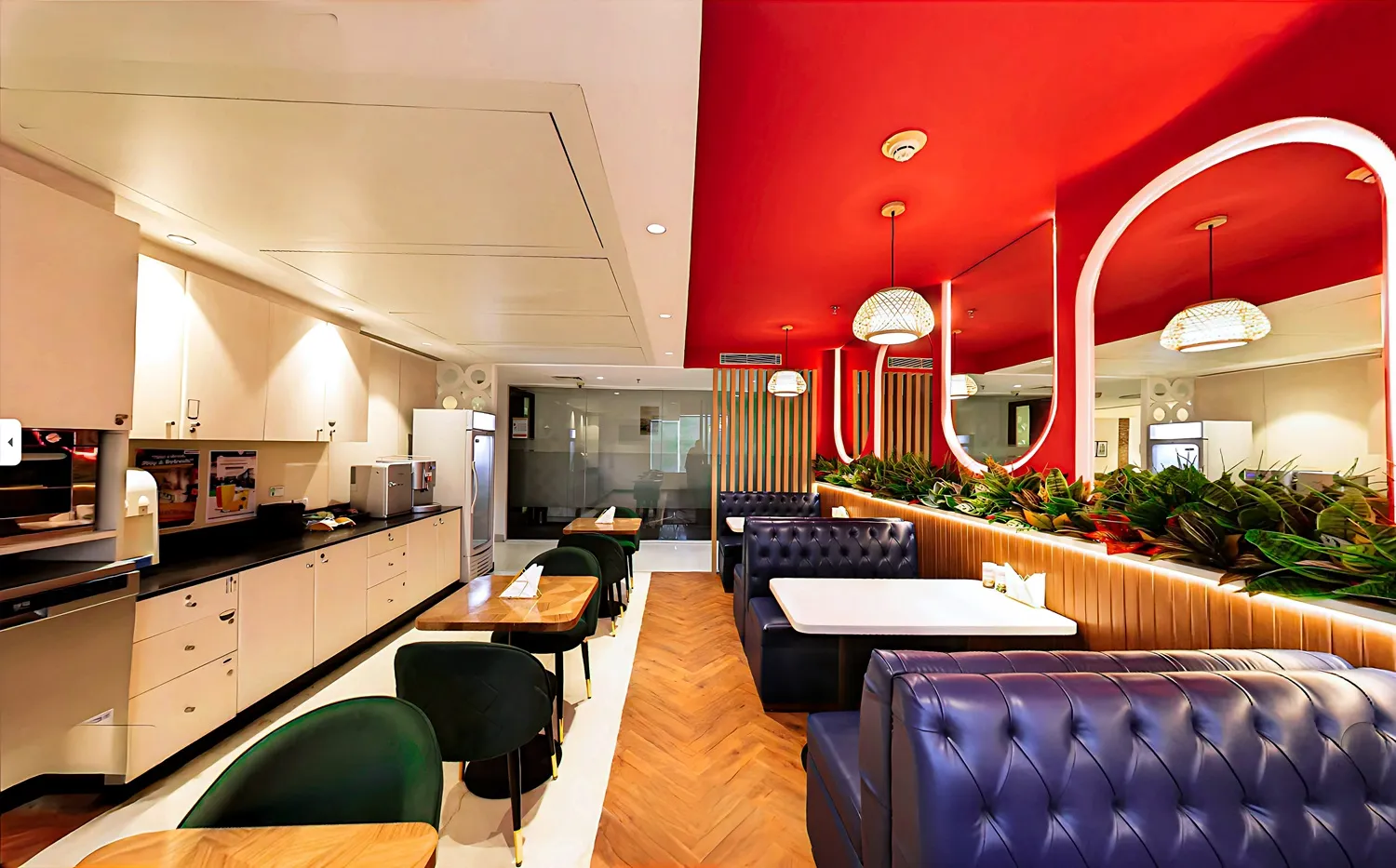
Employees start from the reception area, go to conference rooms, office spaces, and shared office spaces, and end up in the canteen area. All this constitutes experience.
Avanta provides different environments which have visual continuity yet at the same time keep their unique character. Reception areas are more formal, while lounges provide an opportunity to interact in a less formal way; meeting rooms allow for more concentrated discussions, and offices offer more private spaces.
Naturally themed decorative elements make it easier to combine all those spaces together.
A Different Character for Every Space
Well-designed workspaces are not about designing all spaces identically.
While the reception is designed with one set of considerations in mind, the meeting room is designed with another set of considerations. So is the lounge compared to the private office.
Each of these environments at Avanta is reflective of its use. Open environments are more open in nature; meanwhile, the meeting areas maintain their professional nature while the offices remain quiet.
Biophilia does not become a separate design feature but rather becomes an aspect of the variety itself. The use of natural elements and artwork will vary by environment.
Traditional Office Design vs. Biophilic Design at Avanta:
| Design Element | Traditional Office Approach | Avanta's Biophilic Approach |
|---|---|---|
| Reception area | Furniture and signage only, purely functional | Plants placed alongside furniture for a softer first impression |
| Corridors | Plain painted walls | Botanical wall art and feature installations as focal points |
| Lounge & breakout areas | Seating only, minimal visual interest | Greenery integrated with seating to encourage relaxed conversation |
| Meeting rooms | Table, chairs, screen - no visual variation | Grouped plants that soften formal discussion spaces |
| Materials & palette | Uniform across every zone | Nature-inspired textures that vary by the room's purpose |
| Overall feel | Efficient but monotonous | Professional, polished, and connected rather than clinical |
A More Considered Workplace
There is a distinction between an environment with design features and one in which the design features are intentionally used.
A wall treatment that enhances the architecture. A focus feature that accentuates the environment without overpowering it. Transition that occurs seamlessly from one space to another.
These are some aspects that help create the identity of Avanta's work environments.
Interior design helps achieve the demands of the company and provides an ambience with its own character. Meeting rooms should be functional, offices should provide a concentrated atmosphere, and the open areas should allow for interaction. Interior design helps fulfil these needs in addition to them.
Where Design Meets the Working Day
A workplace operates over hours rather than minutes.
The first impression made during arrival at some point will make way for work, meetings, discussion, and breaks. It is important that design works during different stages of the day.
Reception areas, meeting spaces, lounges, corridors, and offices at Avanta are linked together by means of careful interior vocabulary. Nature's allusions and design elements blend into the environment as opposed to being just another decoration.
This leads to an environment that is both structured and characterised.
A Workplace Designed Around Experience
Ultimately, biophilic design is not simply an element in itself. It is the connection between humans and the surrounding space.
We believe in the connection being made by way of natural inspirations, botanical art, feature installations, and modern interiors. The office setting is professional but also has its own character.
Concentration of spaces, conversational spaces, meeting spaces, and spaces for in-between meetings exist; they play different roles, but they are all part of the same space. It is the continuity that gives the workplace its identity without over-designing it.
Final Thoughts
A biophilic office environment does not simply mean bringing the outside world into the building. Rather, it involves establishing a connection between nature and the man-made environment and incorporating that connection into the experience of the space.
In Avanta’s workspaces, this is achieved through such things as natural allusions, botanical art, installations, and well-thought-out interior design. This, in combination with contemporary architecture, luxurious fittings and professional facilities, results in spaces that are still functional yet have their own unique personality.
This leads to an office environment that seems connected rather than monotonous, modern but not stiff, and professional yet not impersonal.
FAQs
1. What is biophilic design in office interiors?
2. Why is biophilic design important in modern workplaces?
3. What are some examples of biophilic design elements in an office?
4. Does biophilic office design actually improve employee wellbeing?
5. Is biophilic design expensive to implement in a business centre?
6. How is biophilic design different from simply adding office plants?
7. Can biophilic design work in a small or shared office space?
8. Which Avanta business centres feature biophilic design?
See Biophilic Design at an Avanta Centre
Walk through a reception, lounge and office space where nature is part of the architecture, not an afterthought.
About the Author