
What Is a Virtual Workspace? A Complete Guide for Businesses

Quick Answer:
A virtual workspace gives a business a professional address and office-support services – without needing a permanent physical office. It's built around:
- A professional business address
- Mail and courier handling
- Call answering and forwarding
- Meeting room access on demand
- Occasional physical workspace, plan-dependent
Businesses have evolved. Employees can work from other cities, entrepreneurs can run the business without physically being there, and businesses can venture into other markets without having to open an office straightaway. But the need for a credible business presence is still there.
A virtual workspace provides a versatile option because it combines an official business address with various services, including mail processing, telephone answering, meeting rooms, and use of office space. This arrangement may be ideal for startups, consultants, virtual teams, and businesses expanding into new markets. A virtual workspace is more than an online solution or office address; rather, it is a way to link up remote activities to actual office and business functions.
This guide will cover its functionality, potential beneficiaries, and key considerations when choosing a service provider.
What Is a Virtual Workspace?
A virtual work environment is an organisational system which ensures the creation of a professional business presence with some business services without having a permanent office for the company.
Unlike traditional offices, employees do not necessarily have to be in one place every single day. On the contrary, the company can conduct its activities remotely but use the services of the physical and administrative nature when they are needed. The services include:
- Professional business address
- Mail and courier handling
- Business call answering and forwarding
- Reception or administrative support
- Meeting room access
- Occasional physical workspace
- Business support services
It is crucial to differentiate this term from the digital workplace. The digital workspace solutions provide support for collaboration and communication and enable the employee to access the work systems through the Internet. However, a virtual workspace can include the practice of remote working; nonetheless, it deals with the presence of the business physically.
How Does a Virtual Workspace Work?
A virtual workplace differentiates the presence of professionalism for the business from having a permanent desk or office. The business selects the location and service plan depending on its needs. The service provider will then manage those services for the business.
Think of a consultant who works from home but often visits corporate clients. They might not require an office, but they might require a business address, someone to take care of the business correspondence, and a meeting room when an important client visit is expected. This creates a practical online business workspace for businesses that primarily operate remotely.
Likewise, when a business starts operating in Delhi, it might prefer to have a local virtual business setup prior to building physical offices. The virtual option may be useful for setting up the first infrastructure, while it studies the situation.
A typical setup can involve:
The firm will get a professional address from the commercial location according to the conditions of the service provider.
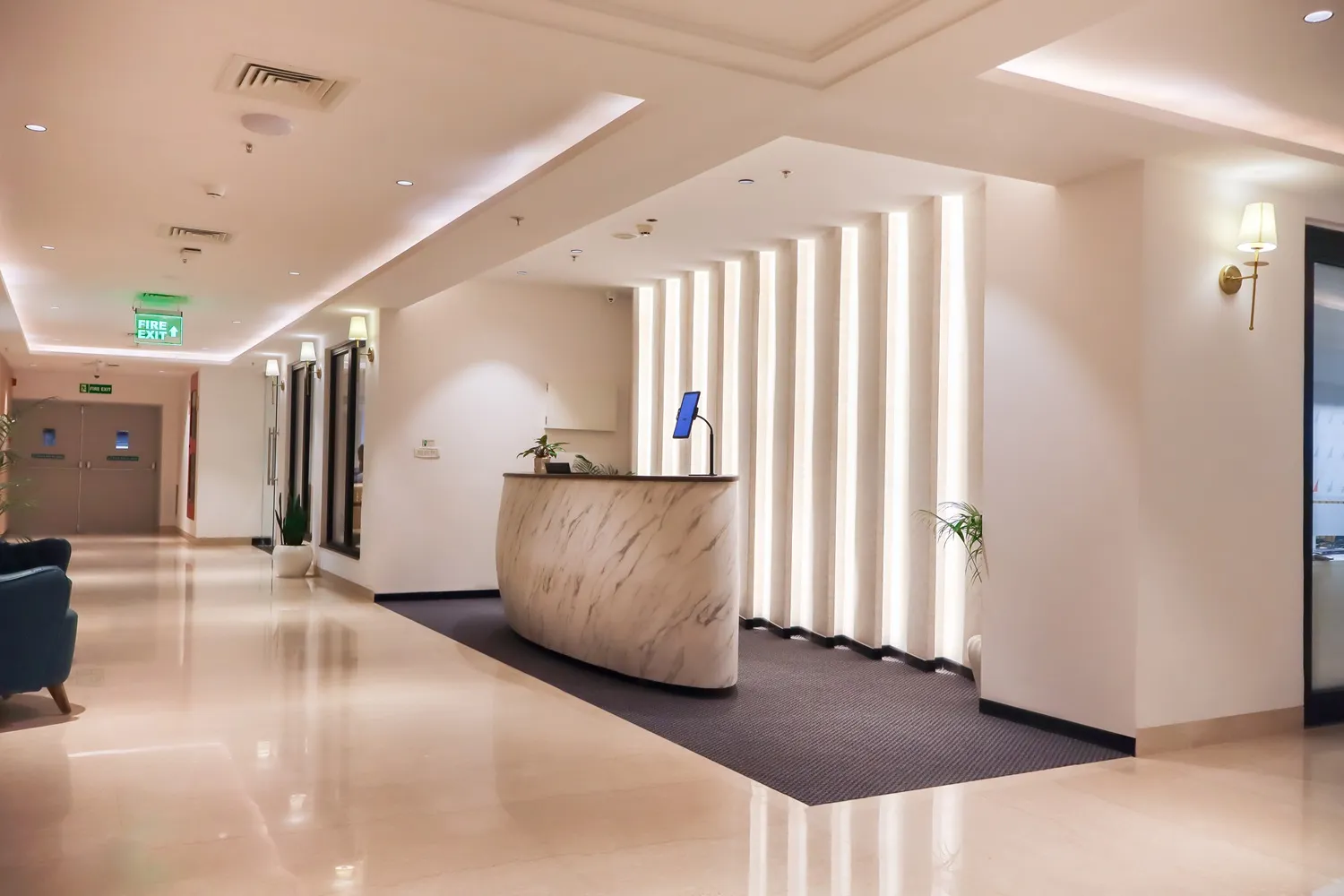
Incoming mail and deliveries are handled and managed by the workplace team.
Some firms provide trained personnel to handle calls in the company's name and transfer them when necessary.
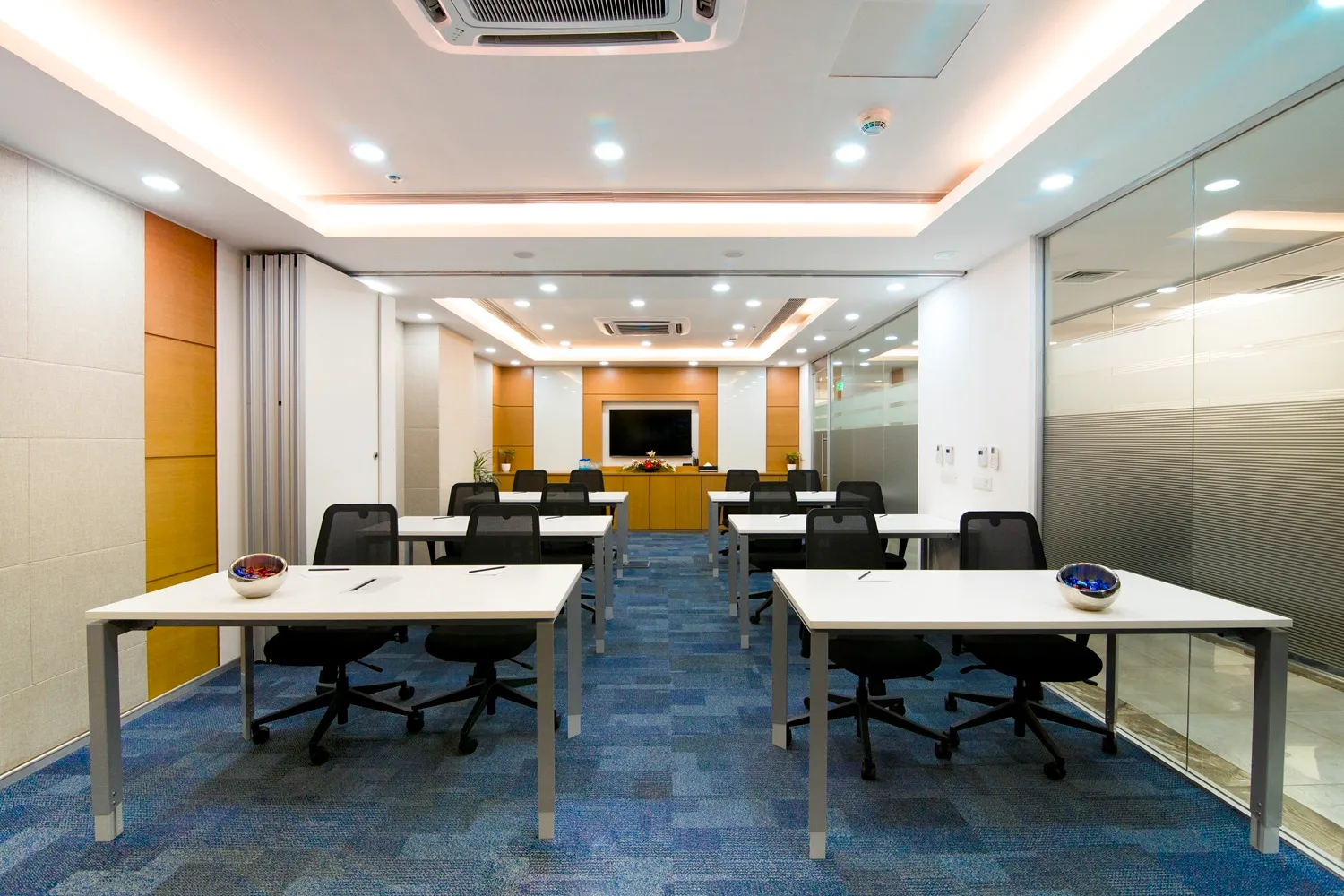
A meeting room offers a professional setting for discussion with the client, interviews, presentations, and other meetings.
Depending on the type of plan, businesses could be able to use physical workspace when it is not feasible to work remotely.
This depends on the service providers and the type of plans, and hence businesses should be aware of the inclusions in advance.
What Are the Benefits of a Virtual Workspace?
The primary benefit is flexibility. With a virtual office, businesses can enjoy the services that suit their needs without having to worry about managing a traditional office environment. These virtual workspace solutions can provide businesses with flexibility while supporting their changing workplace requirements.
Build a Professional Business Presence
The official address of the company will create an identity which is more formal compared to the use of residential addresses, especially when dealing with customers.
Reduce Workplace Overhead
Traditional offices include rent costs, furnishings, utility bills, maintenance services, reception, IT infrastructure, and more. With a flexible approach, less infrastructure is required from the business side.
Support Remote Operations
For businesses implementing a remote office model, workplace services can help create the physical facilities that individual employees working in different places would not be able to maintain. This can also support remote work infrastructure for distributed teams.
Enter New Markets
A business that is looking to expand to a new city may find a local presence useful prior to establishing an office. The local presence may be helpful in assessing the demand and creating relationships.
Access Professional Facilities when Required
Telecommuting does not make the requirement for physical presence irrelevant. Some vital presentations, interviews, and meetings could still require the individual to be physically present.
Scale as Requirements Change
Business needs can change rapidly. A flexible arrangement gives firms the opportunity to acquire more physical space or other facilities according to their need, without having to go for a big office right from the start.
Virtual Workspace vs Traditional Office: A Comparison
A virtual office space workspace and a traditional office serve different operating models.
| Factor | Virtual Workspace | Traditional Office |
|---|---|---|
| Daily occupancy | As required | Usually regular |
| Lease commitment | Generally more flexible | Usually longer-term |
| Business address | Provided through the service | Dedicated premises |
| Office management | Provider-managed services | Managed by the business |
| Meeting facilities | Often available on demand | Usually part of the premises |
| Remote working | Highly compatible | Depends on company policy |
| Expansion | Can be more flexible | May require additional premises |
| Operational responsibility | Shared with provider | Primarily the business's responsibility |
Neither one of these options can be considered superior to the other. A business with a large number of people working for it and requiring their physical presence every single day may find a managed office more suitable. The needs of a remote business or a consultant can differ significantly.
Who Can Benefit From a Virtual Workspace?
A virtual workplace can prove beneficial for businesses with varied business models.
Startups
New enterprises can build a professional identity without necessarily making a commitment to an office environment straight away.
Freelancers and Consultants
Individual entrepreneurs working from home or from the client's premises can keep their professional address and gain access to meeting rooms whenever needed.
Remote-first Companies
Distributed companies can maintain business operations without the necessity for all employees to be in one single place.
Businesses Entering a New City
Firms growing in Delhi or Gurgaon can create a presence in the area and study the market without making a physical presence.
Small and Growing Businesses
SMEs can opt for flexible office solutions while maintaining fixed workplace arrangements that suit their present needs.
International Businesses
Companies planning to enter India can opt for a virtual business setup as an initial move while setting up their local business operations. All registrations and tax-related issues need to be considered based on individual situations.
What Should You Look for in a Virtual Workspace Provider?
Choosing the virtual workspace provider requires more than just looking at the cost. It's not only the place where your virtual office will be, but also the reliability and service as well.
Consider these factors:
- Location: Is the address located within a recognised commercial zone convenient for your customers?
- Business Address: Can the address be suitable for your business activities? Verify all the requirements related to registration before you subscribe.
- Mail Handling: What is the process of receiving and delivering letters and packages?
- Handling of calls: Will calls be handled properly in the name of your company?
- Meeting rooms: Do you have access to meeting rooms in case they are needed?
- Workstations: Are there workstations available if and when you need them to run your business?
- Support staff: Is there support staff available to take care of any work-related requirements?
- Experience: Has the service provider experienced serving different kinds of businesses?
Why Choose Avanta for Virtual Office Services?
For businesses requiring more than just an address, Avanta integrates business presence with workspace services. The Virtual Office of Avanta can be found in many parts of Delhi, like Connaught Place, KG Marg, Saket, Nehru Place and South Delhi. This service offers business address, mail and courier handling, reception assistance, and use of conference rooms as required.
Also, Avanta offers virtual offices in Gurgaon, with locations including MG Road and Park Centra. This implies that for organisations, it is not just about having a physical address; it is also about having what is needed to keep up the professional profile while being remotely located.
Moreover, the broader range of facilities available through Avanta's business centre means that businesses can look into other forms of workspace depending on their needs, such as serviced, managed, or meeting space.
Avanta Locations Across Delhi NCR
Seven commercial addresses across Delhi and Gurgaon, each available as a virtual office location.
Final Thoughts
A virtual workplace offers companies yet another option for the concept of an office. Rather than making an all-or-nothing decision about whether to have a physical office, companies can choose the location and services that meet their actual needs.
Finding the correct answer will depend on the nature of your business operations, your location needs, the services that you need, and whether you need physical space daily or not.
Depending on how your organisation functions and how and where you want to be present, as well as what services you need, the appropriate solution may vary.
FAQs
1. What is a virtual workspace, and how does it work?
2. Is a virtual office the same as a virtual workspace?
3. What services are included in a virtual workspace?
4. Can I use a virtual office as my business address?
5. Who needs a virtual workspace?
6. Is a virtual workspace suitable for remote teams?
7. How do I choose a virtual workspace provider?
Ready for a Professional Business Presence?
Get a prestigious business address, professional support and access to workplace facilities when you need them.
About the Author