
Work From Home vs Office: 7 Data-Backed Reasons to Switch (2026)

Quick Answer:
- Stanford research links WFH to a 38% drop in creative output versus in-office teams.
- The APA found 65% of remote workers feel disconnected and 47% report falling motivation.
- Fully remote staff are promoted at rates up to 38% lower than office-based peers — a "proximity bias" effect.
- Coworking spaces offer a hybrid middle ground: flexibility without the isolation or career cost of full-time WFH.
- Jump to the coworking pricing table, the WFH vs coworking comparison, or the FAQs.
Reasons Working from Home Isn't Ideal
For most of the workforce, getting a job that is exclusively home-based has become the right way after facing the pandemic. Sure, at first, the idea of no more commutes and dressing in pyjamas was a powerful motivating factor, and it convinced a lot of people to do so. But virtual work is a multi-faceted issue that should be examined with all facts and conditions. As businesses redefine their infrastructure strategies, it is imperative to recognise that the work-from-home initiative has major challenges that are often overlooked in societal conversations. This paper demonstrates why the notion of remote work often falls short and why other options should be considered in place of it.
The Hidden Costs of Home-Based Work
The rise of the working from home movement not only promised a substantial increase in freedom, flexibility, and a better work-life balance but also caused anxiety to a great number of employees because of the numerous challenges that nobody expected. The physical distance from colleagues makes communication so difficult that it is irreparable even by a great amount of video conferencing. Studies reveal that the impromptu interactions which happen naturally in a shared workspace can hinder complex problem-solving.
In addition to that, the emotional burden of loneliness has appeared as a major issue. A recent study by the American Psychological Association indicated that 65% of people working remotely felt that they were not connected to their organisations, and 47% even reported decreased motivation over time. These statistics bring to light the idea that home office setups, though they are seen as a major convenience, may carry uncovered expenditures in terms of mental health and career-related growth.
Work from Home Productivity Issues: The Data Behind the Decline
While the early data sets pointed to a significant rise in output during the first phase of working from home, more recent surveys told a different story. As time went by, a large number of organisations identified and shared some trends of work from home productivity issues. The lines between work and private life are getting blurred, which means that people are experiencing overwork and underperformance at the same time.
A study done by Stanford University found that, in comparison to an office setting, people when at home become too creative and productive, with a drop of around 38% in the total creative output for the latter. This dramatic occurrence of the productivity paradox arises as constant creative output mostly results from the discussion and debate of people, which in turn is the result of parallel physical presence. Furthermore, homes are full of attention-diverting factors such as house chores, in contrast with offices that are meant to be just the opposite, work stations only.
Studies show that the work-from-home productivity issues can be seen more clearly in the task areas that need high collaboration or creativity. In-person-based projects that used to take only a few days to brainstorm are now dragging out over weeks due to a lot of emails and lagging video calls, causing inefficiencies that nobody had seen coming when remote policies were being planned.
The Disadvantages of Work from Home on Career Progression
One of the main drawbacks of working from home that is very rarely talked about is how it can ruin your career development. The disadvantages of working from home appear in their most severe degree when we look at the promotion figures of a company's work-from-home employees against those who work from the office. A five-year study that involved several different sectors has resulted in remote or home workers receiving promotions at a rate 38% lower than those who work in the office but have performed similarly.
This "proximity bias" term points to the situation where those who are more visible tend to be in rather favoured positions when making choices about advancement. Top managers do not have a clear view of the remote employees' work performance and the part that they play in the company; thus, they will surely prefer those employees with whom they deal daily. Furthermore, remote workers are devoid of spontaneous mentoring sessions that occur naturally in shared workspaces, which give them the privilege to stay abreast of the latest developments and learn by observing.
The people who have just set out on their careers might find the disadvantage of working from home very hard to cope with. The exposure is direct, and hence there is less opportunity for culture and leaders to help the new employees who will struggle to establish social capital that will be beneficial for their careers in the long run. This results in a situation where the remote employees have to work much more than the people at the office to be recognised to the same extent.
Why Choose a Coworking Space? The Third Option
With organisations realising these challenges, many are trying to find other ways to provide the same level of flexibility as remote work while also fostering a sense of collaboration, like shared spaces. In this context, coworking environments represent a very attractive compromise in that they not only mitigate the disadvantages of remote work but still enable flexibility.
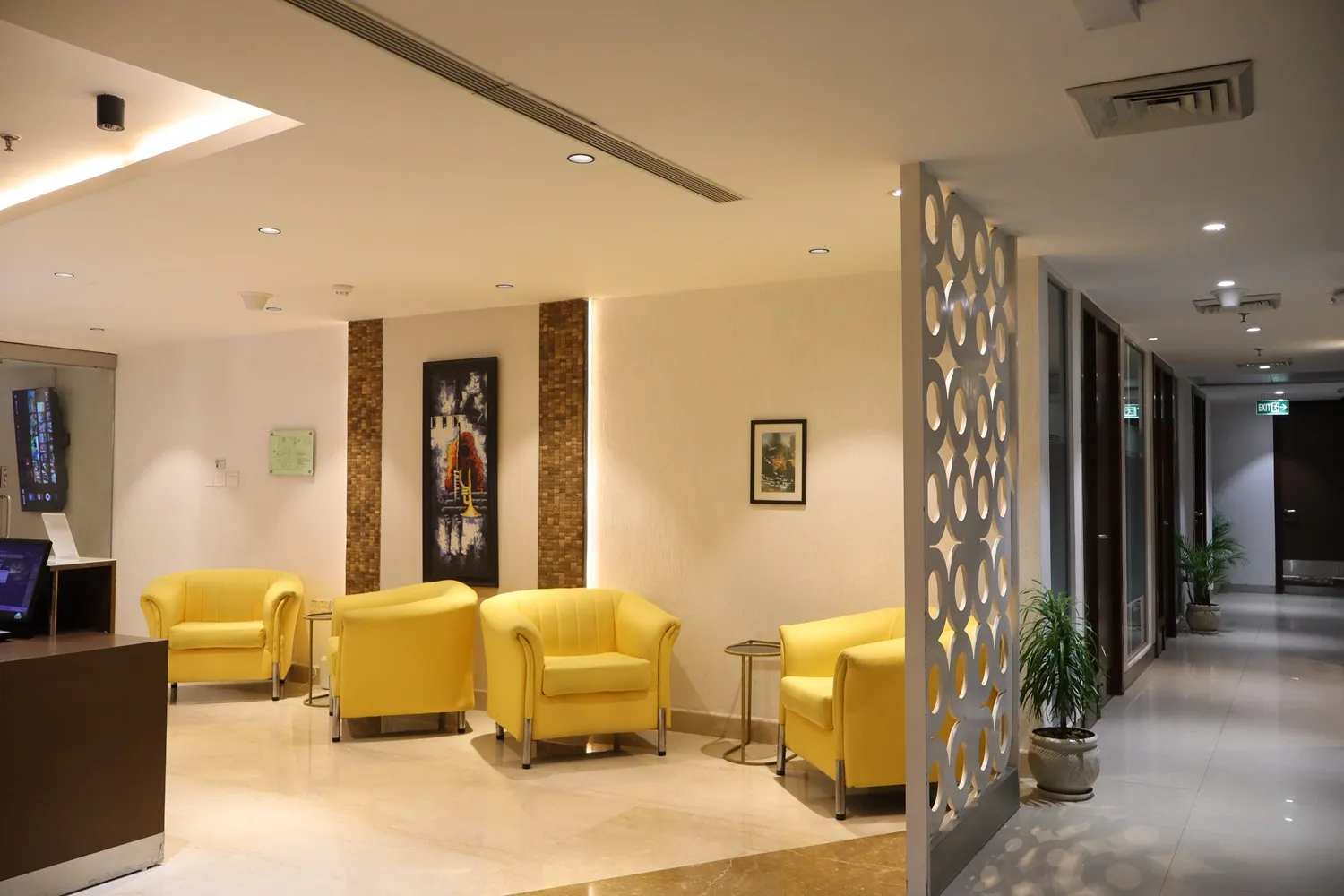
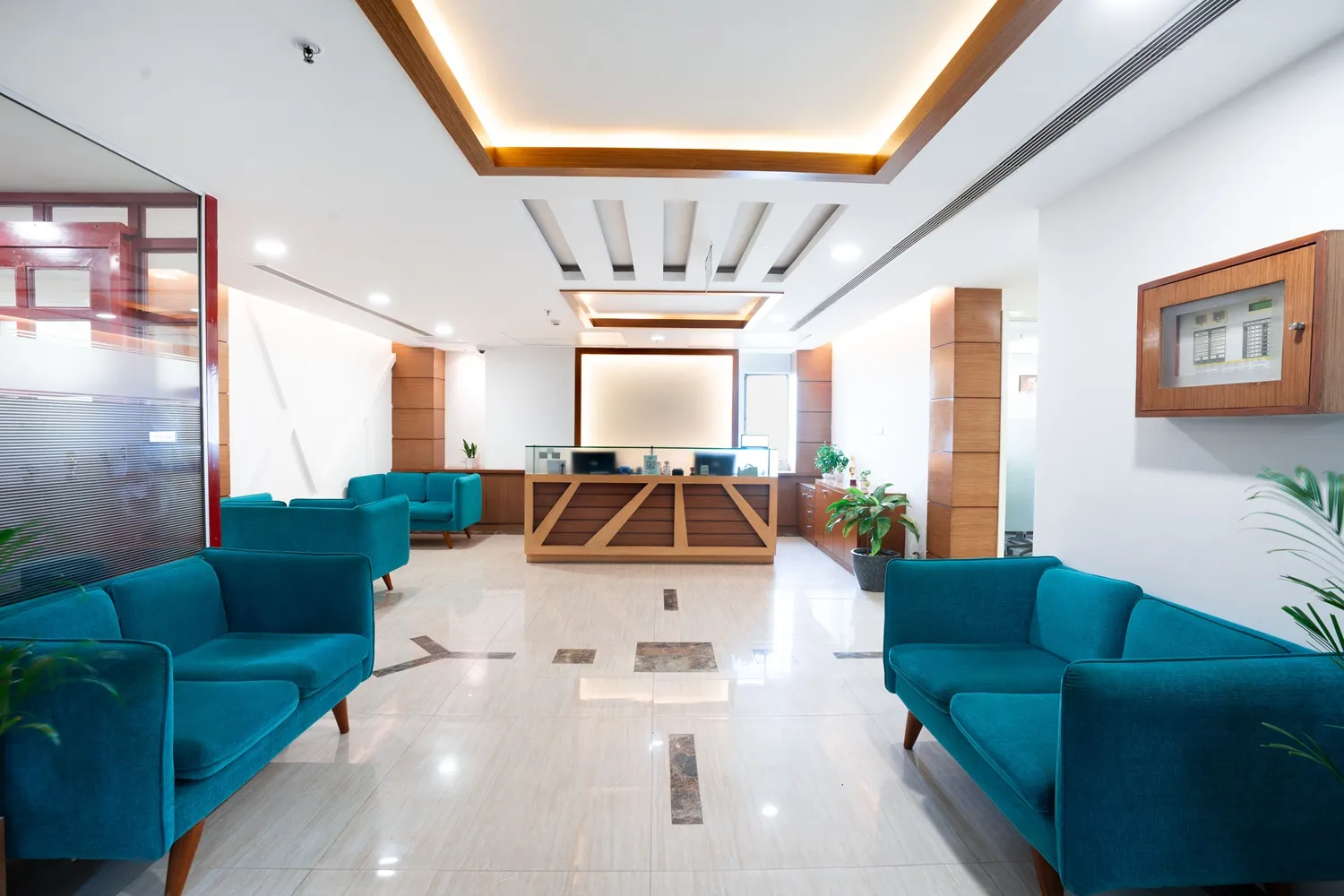
Why Choose a Coworking Space? Such workplace settings render the perfect balance of fixed space without the rigours of regular offices. The issue of home disturbances is solved at the same time as they foster the casual meetings that are the birthmark of all innovators. For the staff, the coworking space layout gives them separation of work and everyday life; thus, they can better combine the two aspects than if they were solely working from home.
About the organisation itself, the use of coworking not only leads to savings on the rent but also ensures that the staff have the required space and resources. It provides the possibility to have teams located in different places yet still be able to work together very effectively. Additionally, the exposure of professionals to different points of view in various coworking communities can be the reason for the emergence of new ideas to solve problems more efficiently.
Work From Home vs. Office vs. Coworking Space: Quick Comparison
| Factor | Work From Home | Traditional Office | Coworking Space |
|---|---|---|---|
| Flexibility & hours | High | Low | High |
| Collaboration & spontaneous ideas | Low | High | High |
| Career visibility / proximity bias | Weak | Strong | Moderate–Strong |
| Social connection & mental wellbeing | Low | Good | Good |
| Cost to employer | Lowest | Highest (long lease) | Moderate, scalable |
| Commute burden | None | Fixed, daily | Flexible / nearest hub |
| Distractions (home chores, family) | High | Low | Low |
| Networking with other professionals | None | Internal only | Cross-industry |
Finding Balance: The Future of Work
Brands should look into the possible repercussions of the full-time remote model on their strategic aims and hence decide cautiously on the merit of such an arrangement post-pandemic. The main message is that even though organisations may continue offering work from home (WFH) options, combining (hybrid) the two models results in better outcomes for employees and the company.
The power of deciding which activities are most beneficially performed in a location and which ones are effectively performed remotely lies in carefully considering your preferences and the nature of the tasks. For instance, staying focused on certain tasks would require the person to be working from home, while strategic planning and creative collaboration would be a delight to have in a common place.
What is the reason behind the choice of a coworking space in a hybrid way? Coworking spaces are places that guarantee a formal, conducive atmosphere that reduces the negative impact of working from home on productivity and, at the same time, allows employees to make use of the flexibility associated with working from home.
As we cope with the transforming work setting, recognising the disadvantages of working from home is not an invitation to revert to the old models but is more about developing balanced and nuanced strategies that lead to the increased well-being and efficiency of workers. In the future, it will be organisations that are flexible and at the same time emphasise meaningful connections that will dominate the world, hence creating environments that can indeed inspire human potential.
FAQs
1. Why isn't work from home as productive as people think?
2. Does working from home hurt career growth and promotions?
3. Does remote work cause loneliness and mental health issues?
4. Is a coworking space better than working from home?
5. Is hybrid work better than fully remote or fully in-office models?
6. What does a coworking space membership typically cost in Delhi NCR and Gurgaon?
7. Is remote work declining in 2026?
8. What are the biggest hidden costs of working from home?
Rethinking Your WFH Setup?
Compare Avanta's coworking & serviced office plans across Delhi NCR and Gurgaon.
About the Author